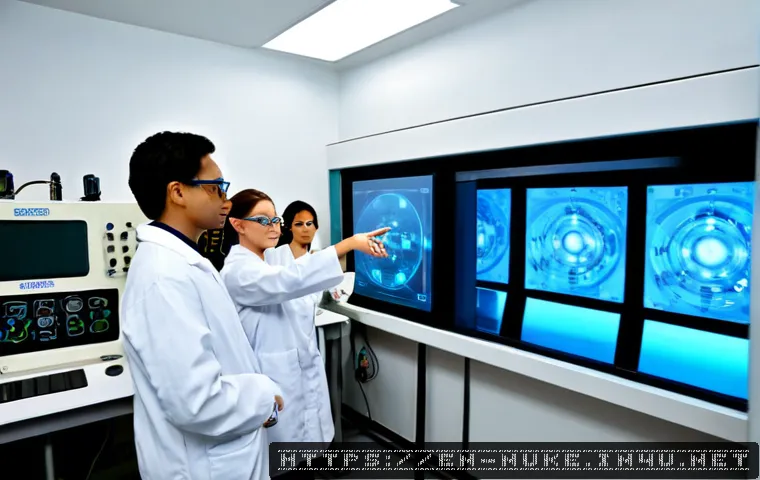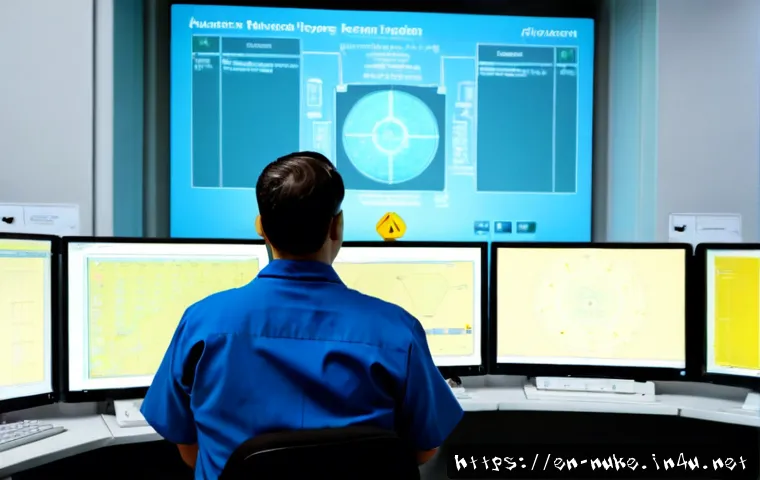
Choose a full-scope simulator when the priority is control-room training and evaluation, an engineering model for focused technical studies, and a digital twin program when operational or condition data must inform decisions.

The right choice is driven by the decision the system must support—not by the longest feature list or the highest possible model fidelity. Nuclear facilities use simulation for training, procedure validation, engineering studies, and scenario-based decision-making.
For buyers comparing enterprise simulation software, digital twin platforms, or specialist engineering services, lifecycle ownership matters as much as the initial implementation.
Review validation methods, configuration control, data integration, cybersecurity, and update responsibilities before selecting a provider. Local qualification, licensing, and security requirements should always be confirmed for the intended use.
At a Glance
- Full-scope simulators are best suited to high-fidelity control-room training and operator evaluation.
- Engineering models fit targeted studies involving plant behavior, procedures, design changes, or control logic.
- Digital twin programs can connect engineering models with operational or condition data, but their scope and fidelity depend on the use case.
| Decision Factor | Full-Scope Simulator | Engineering Model | Digital Twin Platform |
|---|---|---|---|
| Primary business use | Operator training and evaluation | Engineering analysis and design support | Operational and condition-informed decision support |
| Typical fidelity focus | Control-room environment and plant response | Selected technical domains | Varies by connected data and intended decision |
| Integration effort | Control-room and training environment alignment | Depends on model interfaces and study scope | Often includes enterprise or operational data integration |
| Lifecycle concern | Scenario management and plant-change updates | Verification, validation, and assumptions control | Data governance, cybersecurity, and model maintenance |
| Vendor evaluation priority | Functional fidelity and instructor tools | Domain coverage and technical validation | Interoperability, access control, and deployment architecture |
What Nuclear Simulation Delivers—and Which Use Case Needs Which Model
Training, engineering analysis, and operational optimization
Training usually calls for a full-scope simulator that reproduces the control-room environment and plant responses with high functional fidelity. Engineering analysis may need a narrower model of thermal-hydraulic behavior, reactor physics, electrical systems, control logic, human-machine interfaces, or a combination of these areas. Operational optimization may justify a digital twin approach when engineering models are connected with operational or condition data.
The procurement trigger should be clear. A training organization may need stronger instructor controls and scenario management. An engineering team may need reliable analysis of a defined change. An operating plant may be assessing whether connected data can improve decision-making. These are different requirements, even when vendors use similar simulation terminology.
Why simulation scope matters more than feature count
A broad platform can appear attractive, but excess fidelity can add validation, integration, and maintenance work without improving the decision at hand. Start with the question: What action will this model help people take? If the answer is procedure checking, a complete enterprise digital twin may be unnecessary. If the answer is operator evaluation, a basic engineering model may not be sufficient.
Feature comparisons should therefore be secondary to intended use, risk tolerance, available plant data, and the organization’s ability to sustain model updates. A capable simulation software vendor or engineering consulting partner should be able to explain the boundary of the model, not simply list functions.
The difference between a model, a simulator, and a digital twin
A model represents selected aspects of a physical system. A simulator uses models to reproduce behavior for interaction, analysis, training, or scenario execution. A digital twin commonly connects engineering models with operational or condition data, although the actual connection, scope, and fidelity vary significantly between projects.
These terms should not be treated as interchangeable during vendor evaluation. Ask what systems are represented, which data sources are involved, how changes are controlled, and what the solution is validated to support.
Compare Full-Scope Simulators, Engineering Models, and Digital Twin Platforms
Fidelity, real-time performance, and control-room replication
Full-scope simulators are designed to reproduce control-room conditions and plant responses with high functional fidelity for training and evaluation. This makes them a distinct category from a focused engineering model. Where human-machine interfaces, operator actions, and scenario execution are central, control-room replication should be evaluated directly rather than inferred from a product demonstration.
Engineering models can be highly useful without recreating every plant interface. Their value comes from fit: the selected domains must support the study, procedure, or design question. Confirm whether the model covers the relevant thermal-hydraulic, reactor physics, electrical, control, or interface behavior.
Data integration, cybersecurity, and deployment architecture
Digital twin platforms may require integration with operational data, condition data, or enterprise systems. That can increase operational value, but it also brings cybersecurity, data governance, and access-control questions. Define who can access data, who can change model inputs, and how interfaces are governed before choosing a deployment architecture.
Cloud deployment may be suitable in some environments, but acceptability depends on each facility’s security architecture and operational policies. It should be reviewed as a site-specific decision, not assumed from a vendor’s standard offering.
Value versus cost: licensing, implementation, validation, and upkeep
License price is only one part of total ownership. A practical budget review includes implementation effort, engineering data preparation, integration, verification and validation, configuration management, vendor support, internal staffing, and recurring model updates. Plant modifications, software updates, and procedure changes can all require simulator updates to prevent model drift.
When comparing enterprise simulation software or systems integration proposals, ask each provider to identify the ongoing work that remains with the utility. A lower initial price may not represent lower lifecycle effort if internal teams must perform substantial model maintenance or data management.
Core Applications Across Plant Design, Training, and Operations
Operator training and abnormal-event scenario practice
For operator training, the key requirement is a simulator that supports realistic interaction with the relevant control-room environment and plant response. Instructor tools, scenario management, evaluation workflows, and configuration alignment deserve the same attention as model behavior. Training qualification requirements vary by country, plant type, and intended simulator role, so they must be checked locally.
Design changes, procedure checks, and control-system testing
Engineering simulation can support studies of design changes, procedure validation, and control-system logic. The model should include the domains needed for the decision, with clear assumptions and controlled inputs. A focused model may be more efficient than a plant-wide platform when the question is narrow.
The caution is straightforward: do not use a model outside its verified and validated purpose. A useful result depends on the credibility of the configuration, the underlying assumptions, and the match between the model and intended use.
Outage planning, maintenance decisions, and performance monitoring
Simulation can inform scenario-based operational planning when the relevant plant and condition information is available. Digital twin initiatives are often considered for this type of work because they can connect engineering models with operational data. The practical value depends on data quality, governance, model scope, and the specific decision process.
For maintenance and outage teams, begin with a defined planning question rather than a general request for “optimization.” This limits unnecessary integration and makes it easier to test whether the program is delivering usable decision support.

Implementation Steps and Risks That Can Undermine the Project
Define the decision the model must support before choosing fidelity
Write the intended decision, users, model boundary, required outputs, and consequences of an incorrect result. This gives procurement teams a defensible basis for comparing software platforms, simulation services, and engineering partners. It also reduces the risk of buying excessive fidelity for a narrow operational need.
Establish verification, validation, and configuration-control workflows
Simulator credibility depends on verification, validation, configuration control, and alignment with intended use. Define how the team will document assumptions, review changes, manage versions, and determine whether updates affect the model’s approved role.
Avoid stale plant data, undocumented assumptions, and weak ownership
Model drift can occur when plant modifications, software updates, or procedure changes are not reflected in the simulation environment. Assign ownership for data, model updates, testing, and approval. A project without clear long-term ownership can lose value even if implementation begins well.
Plan for cybersecurity review and long-term model maintenance
When operational data or enterprise connections are involved, include cybersecurity and data governance reviews early. Define access controls and integration boundaries before implementation expands. Long-term maintenance should be treated as an operating responsibility, not a final project task.
Choosing an Approach for New Builds, Existing Plants, and Training Centers
New-build programs: integrating simulation early with design data
New-build programs can consider simulation while design information is being organized and controlled. Early alignment may help define interfaces, model boundaries, and change-management processes. The main caution is to avoid locking the simulator scope before the project has defined its training, engineering, and operational priorities.
Operating plants: prioritizing high-value modernization use cases
Existing plants should usually start with a specific modernization need, such as procedure checks, a defined engineering study, training updates, or a particular operational decision. This approach creates a clearer comparison between an engineering model, a simulator modernization project, and a broader digital twin platform.
Training organizations: evaluating instructor tools and scenario management
Training centers should assess instructor capabilities, scenario creation and management, control-room alignment, update processes, and support arrangements. The important question is not whether a system is labeled advanced; it is whether it can reliably support the training and evaluation role required.
Selection Criteria and Comparison Summary
Use a shortlist built around intended use, required fidelity, interoperability, verification and validation approach, cybersecurity controls, and lifecycle maintenance ownership. Ask software vendors and systems integrators which plant domains are covered, how configuration changes are managed, what data connections are required, and what ongoing work remains with the customer. Compare training-simulator providers on control-room replication, instructor workflows, scenario management, and the method used to keep the environment aligned with plant changes. Where model credibility or complex integration is central, specialized external modeling or validation services may be worth considering. For detailed capabilities and implementation conditions, review the relevant provider’s official technical documentation and service scope.
In Closing
Nuclear plant simulation is most valuable when its scope matches a real training, engineering, or operational decision. Full-scope simulators, engineering models, and digital twin platforms solve different problems and should not be evaluated as interchangeable products. The strongest selection process examines lifecycle work alongside technical capability. Validation, configuration control, data governance, and ownership remain essential after deployment.
Useful Information to Know
1. A simulation model may cover one technical domain or several, including thermal-hydraulic behavior, reactor physics, electrical systems, control logic, and human-machine interfaces.
2. Higher fidelity is not automatically better if it does not improve the intended decision.
3. Plant changes can require simulator updates to reduce the risk of model drift.
Important Considerations
Procurement cost, implementation timing, maintenance budget, and required model fidelity must be determined for the individual project. A platform’s suitability for local regulatory, licensing, cybersecurity, or training qualification requirements cannot be assumed from general product information. Confirm deployment acceptability, data access rules, validation expectations, and operational policies with the responsible facility and relevant authorities.
Frequently Asked Questions
Q1. What is the difference between a nuclear full-scope simulator and a digital twin?
A1. A full-scope simulator is designed to reproduce a control-room environment and plant responses with high functional fidelity for training and evaluation. A digital twin commonly links engineering models with operational or condition data, but its scope and fidelity vary according to the use case.
Q2. How should a utility estimate the total cost of a nuclear simulation project?
A2. Review more than the license or initial platform cost. Include implementation, integration, data preparation, verification and validation, configuration control, vendor support, internal staffing, cybersecurity review, and ongoing updates caused by plant, software, or procedure changes.
Q3. What should a plant verify before using simulation software for operator training or safety-related decisions?
A3. Verify that the model is aligned with its intended use and that verification, validation, configuration control, and update workflows are defined. The plant should also confirm applicable local regulatory, licensing, cybersecurity, and training qualification requirements before relying on the simulator in that role.