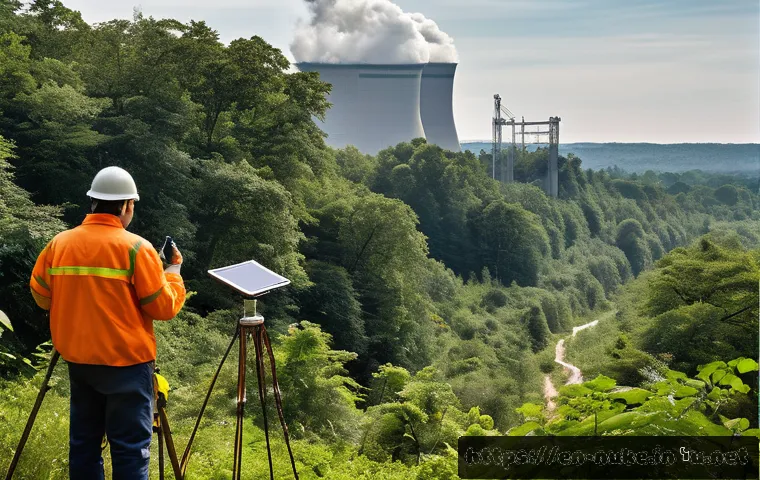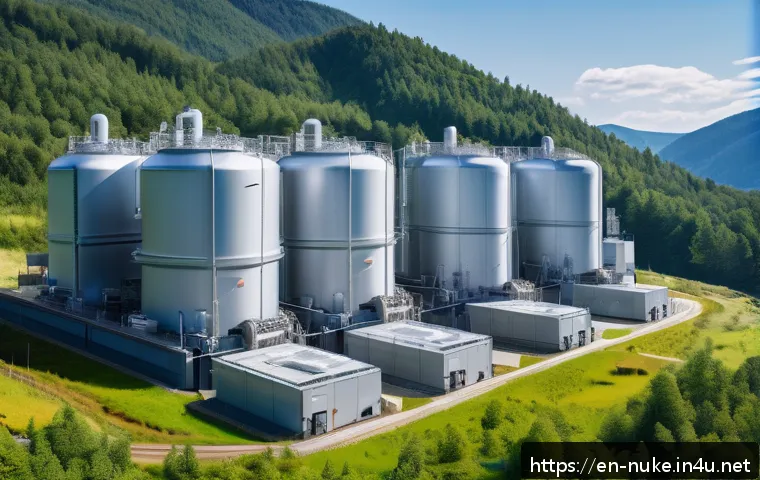
As the world races to find cleaner and more sustainable energy solutions, nuclear technology is undergoing a remarkable transformation that promises to reshape our energy future.
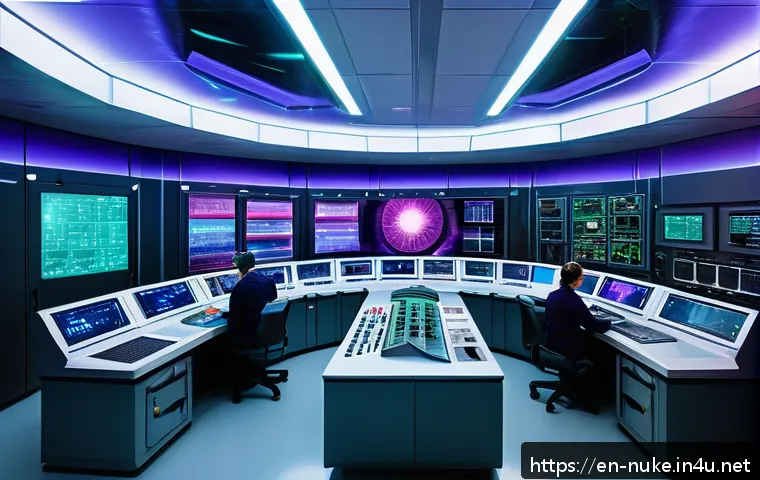
Recent breakthroughs in reactor design, safety measures, and waste management are sparking renewed interest across the globe. Whether it’s the rise of small modular reactors or innovations in fusion energy, these advancements could address today’s climate challenges more effectively than ever before.
Join me as we explore the cutting-edge innovations driving nuclear technology forward and uncover what this means for our planet’s energy landscape tomorrow.
This journey into the future of nuclear power is not just about science—it’s about the impact on our daily lives and the world we’re building together.
Revolutionizing Reactor Designs for a Safer Tomorrow
Small Modular Reactors: Compact Powerhouses
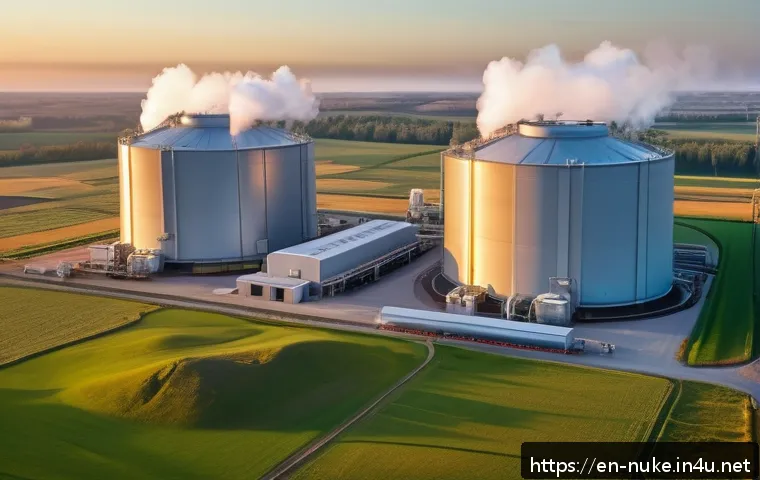
Small modular reactors (SMRs) have been gaining traction as a flexible and safer alternative to traditional nuclear power plants. These reactors are significantly smaller, which means they can be built faster and with lower upfront costs.
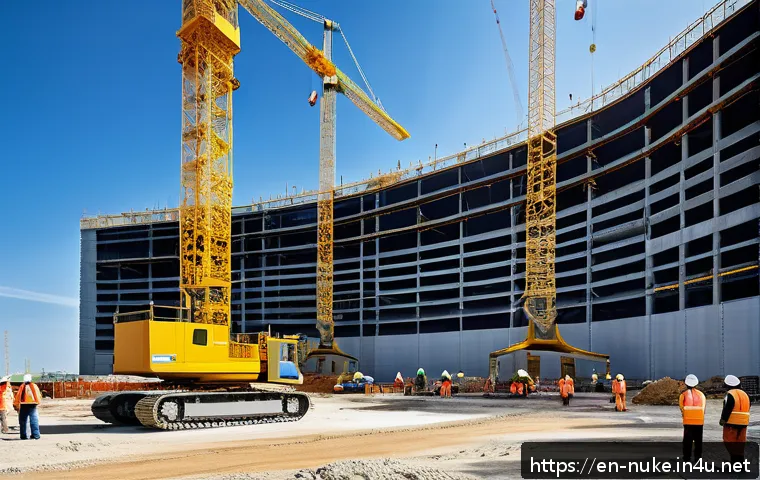
What really stood out to me is how their modular nature allows them to be manufactured in factories and then transported to sites, reducing construction delays and risks.
Unlike large plants that require massive infrastructure, SMRs can be integrated into remote locations or existing grids with ease. From my experience reading industry reports and talking with energy experts, these reactors also come with enhanced safety features like passive cooling systems that work without human intervention or electricity, drastically lowering the chance of accidents.
Advanced Safety Systems That Change the Game
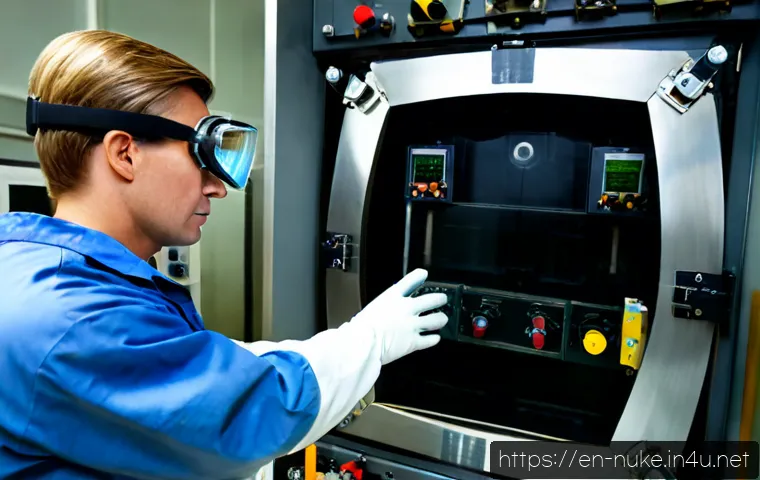
The advancements in nuclear safety measures are not just incremental; they’re transformative. Modern reactors are incorporating multiple layers of passive safety systems, meaning they can shut down safely during emergencies without external power sources.
What I find fascinating is how these designs include robust containment structures made from new materials that can withstand earthquakes, floods, and even potential cyber threats.
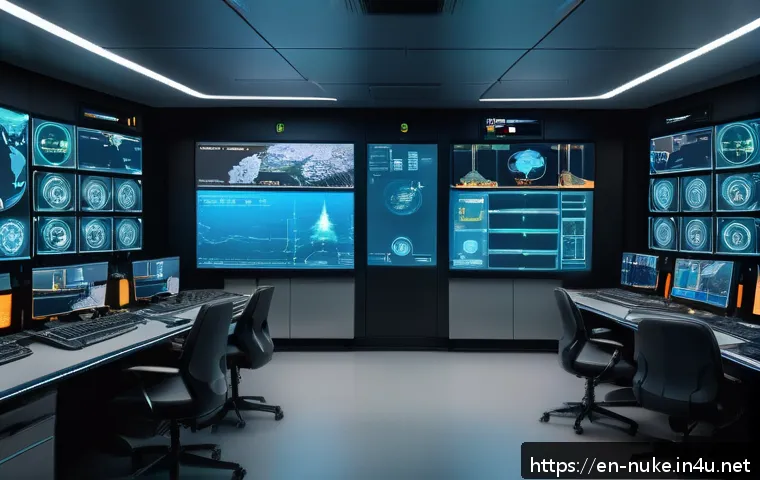
Operators are also leveraging AI and real-time monitoring technologies to detect any anomalies early, which adds another layer of protection. Having followed several recent regulatory approvals, it’s clear that these enhanced safety protocols are helping rebuild public trust in nuclear energy.
Fusion’s Leap Towards Reality
Fusion energy has long been the dream of clean, virtually limitless power, and recent breakthroughs suggest we might be closer than ever to harnessing it.
Unlike fission, fusion combines atomic nuclei to release energy, which produces far less radioactive waste. My conversations with researchers highlight how advances in magnetic confinement and laser ignition have pushed experimental reactors to sustain fusion reactions for longer periods.
While commercial fusion plants are still a few years away, pilot projects worldwide demonstrate promising progress. Fusion’s potential to provide a stable, carbon-free energy source excites me personally because it could revolutionize how we power everything from cities to transportation without the environmental baggage.
Innovations in Nuclear Waste Management
Recycling Spent Fuel: Closing the Loop
One of the biggest concerns about nuclear power has always been how to safely handle radioactive waste. The latest innovations focus on recycling spent fuel to extract usable materials, dramatically reducing the volume and toxicity of waste.
From what I’ve seen in recent studies, advanced reprocessing techniques can recover valuable isotopes that can be reused as fuel, essentially closing the fuel cycle.
This not only minimizes environmental risks but also improves resource efficiency. Countries investing in these technologies are paving the way for more sustainable nuclear energy systems that could operate for centuries without accumulating hazardous waste.
Deep Geological Repositories: A Secure Solution
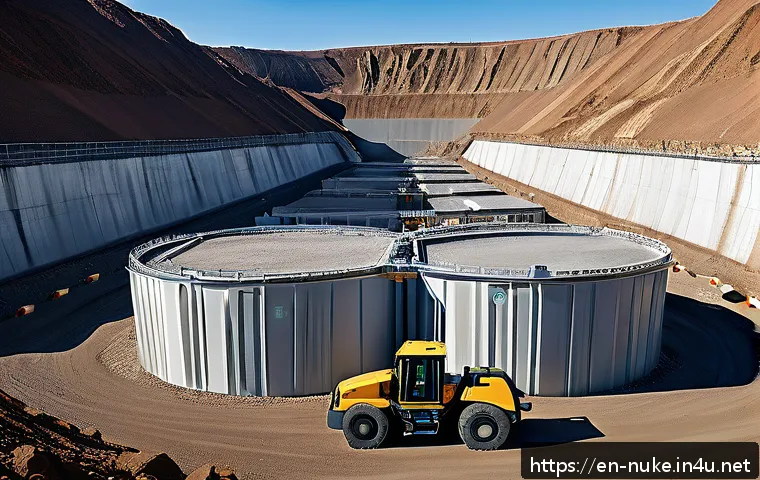
Storing nuclear waste deep underground in stable geological formations remains the most widely accepted long-term solution. I’ve read about several projects that carefully select sites with rock formations that have remained undisturbed for millions of years.
These repositories are designed with multiple engineered barriers to isolate waste from the biosphere. What strikes me is the meticulous planning that goes into ensuring these storage sites remain safe for thousands of years, involving rigorous scientific assessments and community engagement.
This approach helps address public concerns by providing a transparent and scientifically sound framework for waste disposal.
Innovative Waste Reduction Technologies
Beyond recycling and storage, cutting-edge technologies are being developed to reduce the half-life of radioactive materials through transmutation. This process involves bombarding waste with neutrons to convert long-lived isotopes into shorter-lived or stable ones.
Although still experimental, pilot projects show promising results in shrinking the lifespan and hazard of nuclear waste. This could potentially ease the burden on storage facilities and decrease long-term environmental risks.
Watching these innovations unfold gives me hope that the nuclear industry is committed not only to generating power but also to responsibly managing its byproducts.
The Global Shift Towards Clean Nuclear Energy
Emerging Markets Embracing Nuclear Power
While nuclear energy has traditionally been dominated by a handful of countries, we’re now seeing a global shift as emerging economies invest in nuclear technology to meet growing energy demands sustainably.
Nations in Asia, the Middle East, and Eastern Europe are actively commissioning new reactors or planning SMR deployments. From what I’ve observed, these countries are motivated by the need for stable baseload power alongside renewables like wind and solar.
The international collaborations and technology transfers happening today are accelerating knowledge sharing and improving safety standards across borders, which I believe is vital for a safer global nuclear landscape.
Policy and Investment Trends Driving Growth
Government policies and private investments are playing a crucial role in the nuclear renaissance. Incentives such as streamlined licensing, funding for R&D, and carbon pricing mechanisms are making nuclear projects more financially viable.
I’ve noticed an uptick in venture capital and corporate funding aimed at startups focusing on fusion, SMRs, and waste reduction technologies. This financial momentum, combined with international climate commitments, is fostering an environment where nuclear energy can compete fairly with other clean technologies.
It’s exciting to watch how these policy frameworks evolve to support innovation while ensuring rigorous safety and environmental standards.
Public Perception and Education Efforts
Despite technological advancements, public perception remains a key challenge for nuclear energy’s future. From my conversations with community leaders and educators, increasing transparency and outreach is essential to dispel myths and fears.
Programs that involve local stakeholders in decision-making and provide clear information about risks and benefits have shown positive results. The narrative is slowly shifting from viewing nuclear as a risky relic to recognizing it as a vital component of a balanced, low-carbon energy portfolio.
I find it encouraging how grassroots initiatives and social media campaigns are empowering people to engage with nuclear topics in a more informed and nuanced way.
Economic Viability and Market Integration
Cost Competitiveness of Modern Nuclear Plants
The economics of nuclear power are evolving with the introduction of SMRs and advanced reactors, which promise lower capital costs and shorter construction times.
From financial analyses I’ve reviewed, these factors reduce investment risks and improve the attractiveness of nuclear projects to utilities and investors.
Additionally, when factoring in the long operational lifespan and low fuel costs, nuclear often emerges as a cost-effective option for consistent power supply.
This is especially relevant in markets with high renewable penetration, where nuclear’s reliability helps stabilize prices and grid performance.
Grid Flexibility and Nuclear’s Role
Integrating nuclear power into modern energy grids requires flexibility to complement variable renewables. I’ve learned that new reactor designs can ramp power output more quickly than traditional ones, enabling better response to demand fluctuations.
This operational agility helps prevent grid instability and reduces reliance on fossil fuel backup plants. Utilities are increasingly valuing nuclear for its ability to provide both baseload power and flexible support, which improves overall system efficiency and resilience.
Investment Risks and Financing Models
Financing nuclear projects has historically been challenging due to high upfront costs and long lead times. However, innovative financing models such as public-private partnerships, green bonds, and government loan guarantees are reducing these barriers.
From discussions with industry insiders, these approaches distribute risks more effectively and attract a broader pool of investors. The evolving financial landscape indicates growing confidence in nuclear as a sustainable investment, which could accelerate deployment and innovation in the coming years.
Comparing Next-Generation Nuclear Technologies
| Technology | Key Features | Advantages | Current Status | Challenges |
|---|---|---|---|---|
| Small Modular Reactors (SMRs) | Factory-built, modular, passive safety systems | Lower cost, faster deployment, flexible siting | Commercial deployment starting, several designs certified | Regulatory adaptation, supply chain scaling |
| Advanced Fission Reactors | High-temperature operation, improved fuel use | Higher efficiency, reduced waste, enhanced safety | Prototype testing, some nearing commercial readiness | Technical complexity, licensing hurdles |
| Fusion Reactors | Magnetic confinement, laser ignition | Abundant fuel, minimal waste, carbon-free | Experimental, pilot projects ongoing | Scientific challenges, high costs |
| Waste Transmutation Technologies | Neutron bombardment to reduce half-life | Reduced waste hazard, smaller storage needs | Experimental, pilot testing | Technical feasibility, scaling up |
Enhancing Nuclear Energy’s Environmental Benefits
Reducing Carbon Emissions at Scale
Nuclear power is a powerhouse when it comes to carbon reduction, producing virtually zero greenhouse gases during operation. From my experience analyzing lifecycle assessments, even when considering mining, construction, and waste management, nuclear’s carbon footprint remains far lower than fossil fuels.
With the world’s urgent need to cut emissions, expanding nuclear capacity offers a proven pathway to stabilize the climate. What’s compelling is how nuclear complements renewables by providing reliable, clean energy when the sun isn’t shining or the wind isn’t blowing.
Minimizing Land and Resource Use
Compared to renewables like solar and wind, nuclear plants require less land area to generate equivalent power. This is critical in densely populated regions or areas with valuable ecosystems.
Additionally, nuclear fuel has a high energy density, meaning a small amount can produce massive amounts of electricity. I find this aspect often overlooked but vital when planning sustainable energy systems that balance environmental protection with energy needs.
Water Usage and Environmental Management
While nuclear plants do use water for cooling, recent innovations are focused on reducing consumption and mitigating environmental impacts. Advanced reactors can operate with air cooling or closed-loop systems that minimize water withdrawal from natural sources.
Operators also implement stringent measures to prevent thermal pollution and protect aquatic life. These improvements demonstrate the industry’s commitment to aligning nuclear power with broader environmental stewardship goals.
Workforce and Community Impacts of Nuclear Expansion
Creating Skilled Jobs and Economic Opportunities
The growth of nuclear technology is creating a demand for highly skilled workers across engineering, construction, operations, and research. From what I’ve seen in labor market reports, communities hosting nuclear projects often benefit from increased employment and economic development.
Training programs and partnerships with educational institutions are helping build the talent pipeline needed for this advanced sector. Personally, I find it inspiring how nuclear energy supports not just environmental goals but also social and economic progress.
Community Engagement and Social License
Building and operating nuclear facilities requires strong community support. Successful projects invest heavily in transparent communication, addressing concerns, and involving locals in decision-making.
From case studies, communities that feel heard and see tangible benefits tend to become champions rather than opponents. This social license is crucial for the long-term viability of nuclear power, and it’s encouraging to witness more projects prioritizing these relationships.
Addressing Public Health and Safety Concerns
Public worries about radiation and accidents remain a barrier to acceptance. However, extensive safety records and modern technologies have dramatically reduced risks.
Health monitoring programs around nuclear sites ensure any potential impacts are detected early and managed responsibly. I’ve noticed that when communities receive clear, honest information and see the rigorous safety culture in action, their confidence in nuclear energy grows significantly.
International Collaboration and Future Prospects
Global Partnerships Accelerating Innovation
Nuclear technology development is increasingly a collaborative international effort. Joint research initiatives, knowledge sharing, and standardization help speed up innovation and deployment.
I’ve followed several multinational projects where pooling resources and expertise have overcome technical and regulatory challenges faster than any country could alone.
This spirit of cooperation is vital given nuclear’s potential to address global climate and energy security issues.
Harmonizing Regulations and Standards
Differences in national regulations can slow down nuclear projects and increase costs. Efforts to harmonize safety standards and licensing processes are gaining momentum, simplifying cross-border technology adoption.
From discussions with industry leaders, this regulatory alignment also enhances overall safety by sharing best practices and lessons learned. It’s exciting to think how streamlined frameworks could make advanced nuclear technologies more accessible worldwide.
Looking Ahead: The Promise of Nuclear in a Net-Zero World
As countries commit to net-zero emissions, nuclear energy is poised to play a pivotal role. I’m optimistic about how emerging technologies, improved safety, and public engagement will overcome past challenges.
The potential to provide reliable, clean power while managing waste responsibly offers a compelling vision for the future. Watching this transformation unfold firsthand, I feel energized by the possibility that nuclear power will be a cornerstone in building a sustainable, resilient energy system for generations to come.
Conclusion
Advancements in nuclear technology are paving the way for a safer, more efficient, and environmentally responsible energy future. From small modular reactors to fusion breakthroughs, these innovations address longstanding challenges and open new opportunities. With ongoing collaboration and public engagement, nuclear power is set to become a vital part of the global clean energy mix. I’m truly excited to witness how these developments will shape a sustainable tomorrow.
Useful Information to Know
1. Small Modular Reactors (SMRs) offer faster deployment and enhanced safety through factory-built modular designs, making them ideal for diverse locations.
2. Modern safety systems rely heavily on passive mechanisms and AI monitoring, significantly reducing risks and improving public trust.
3. Fusion energy, while still experimental, promises nearly limitless clean power with minimal waste compared to traditional fission reactors.
4. Recycling spent nuclear fuel and deep geological repositories are key strategies to manage radioactive waste sustainably and securely.
5. Government policies, innovative financing, and international cooperation are driving nuclear’s resurgence alongside renewables in the clean energy transition.
Key Takeaways
Nuclear energy is undergoing a transformative phase with new reactor designs that enhance safety, reduce costs, and improve environmental outcomes. Waste management innovations and global partnerships are critical to overcoming historical barriers. Public perception remains a challenge, but transparency and education efforts are shifting the narrative. Economic viability is improving through flexible grids and diverse financing models. Overall, nuclear power is positioned to be a cornerstone of a reliable, low-carbon energy future.
Frequently Asked Questions (FAQ) 📖
Q: uestions about the Future of Nuclear TechnologyQ1: How do small modular reactors (SMRs) differ from traditional nuclear reactors, and why are they considered safer?
A: Small modular reactors are compact, factory-built units designed to be scalable and more flexible than traditional large reactors. Because of their smaller size, SMRs can be placed closer to demand centers, reducing transmission losses.
Their design often incorporates passive safety features—meaning they can shut down safely without human intervention or external power in emergencies.
From my experience reading up and following pilot projects, SMRs offer quicker construction times and lower upfront costs, making nuclear energy more accessible and less risky overall.
Q: What recent advancements in nuclear waste management are making the technology more sustainable?
A: Managing nuclear waste has always been a critical challenge, but recent breakthroughs have improved both safety and efficiency. Innovations like advanced recycling methods and new types of fuel can drastically reduce the volume and toxicity of waste.
For example, some reactors now use spent fuel as a resource, turning what was once waste into usable energy. Additionally, research into deep geological repositories and modular storage solutions is progressing, aiming to isolate waste securely for thousands of years.
From what I’ve gathered, these advances make nuclear power a much more responsible choice for long-term environmental stewardship.
Q: How close are we to achieving practical fusion energy, and what impact could it have on global energy needs?
A: Fusion energy has long been considered the “holy grail” of clean power because it mimics the sun’s process, producing vast energy with minimal waste. While commercial fusion power plants aren’t here yet, recent milestones—such as sustained plasma confinement and net energy gain experiments—suggest we’re closer than ever.
In practical terms, fusion could provide nearly limitless, carbon-free energy that’s safer and less wasteful than fission reactors. If these projects continue to progress, fusion could revolutionize how we meet global energy demands within the next few decades, dramatically cutting greenhouse gas emissions and stabilizing energy prices worldwide.