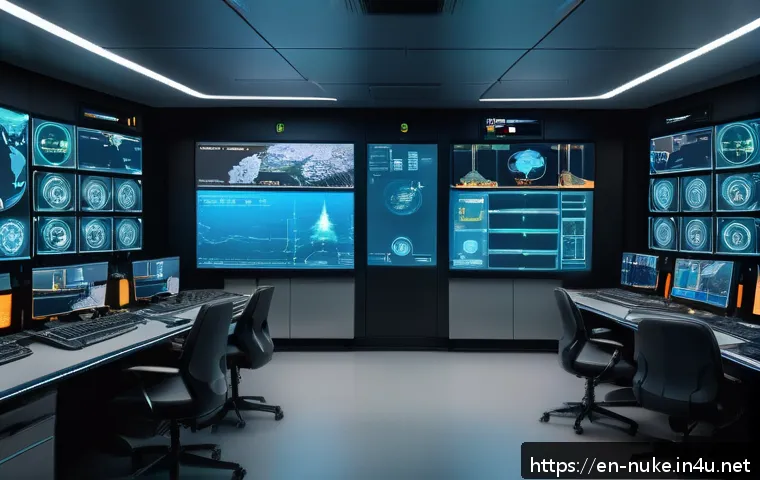
A nuclear energy training visit is most worthwhile when the format matches your goal: a visitor center for general interest, a museum or workshop for guided learning, and a simulator-based course for deeper career exploration.
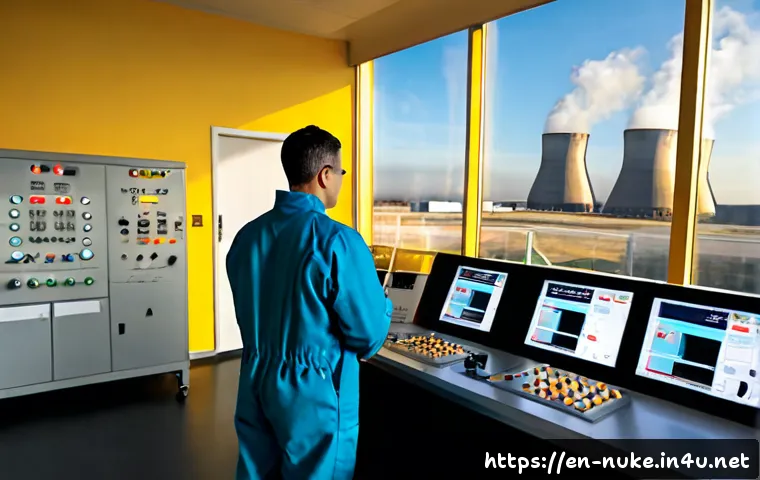
Do not assume that a “nuclear plant visit” includes access to an operating plant, a control room, or operational equipment. Casual visitors should prioritize clear exhibits and guided explanations, while students may benefit more from structured technical education programs.
A higher-priced session can make sense when it includes qualified supervision, meaningful simulator time, and defined learning outcomes. Before booking, compare the total trip cost, access rules, session length, and what is actually included.
The official program page is the best place to confirm current availability, admission requirements, and restrictions.
At a Glance
- Visitor centers are usually best for a broad introduction to nuclear energy and public-facing safety information.
- Science museums and academic workshops may offer more guided activities, models, and career-focused learning.
- Simulator-based courses can be worth extra cost when supervised practice and technical decision-making are your main goals.
| Experience Type | Best For | What to Compare Before Paying |
|---|---|---|
| Visitor center or guided tour | Families, casual learners, first-time visitors | Tour length, guide access, exhibit depth, travel time |
| Science museum program | General science learners and educators | Hands-on activities, age suitability, included materials |
| Academic workshop | Students exploring engineering or energy careers | Instructor background, learning objectives, lab or model access |
| Simulator-based training course | Career explorers and technical learners | Supervision, simulator time, scenario quality, course structure |
What You Can Realistically Learn During a Nuclear Energy Visit
A good nuclear energy learning visit can explain how electricity generation, reactor concepts, safety culture, and plant operations fit together. The depth of learning depends on the program type. A public visit is not the same as technical operator training, even if the program uses professional-looking equipment or a control-room-style setting.
The Difference Between an Operating-Site Visit and an Educational Program
An operating-site visit, where available, may focus on public information, site history, energy education, and tightly managed observation areas. Access can be limited by security requirements, scheduling, and site-specific procedures. An educational program may take place at a visitor center, museum, university, or training facility without entering an operating nuclear power plant.
Read descriptions carefully. Terms such as “facility tour,” “nuclear experience,” or “hands-on learning” do not automatically mean access to restricted areas or operational systems.
Typical Learning Activities: Exhibits, Briefings, Models, and Simulators
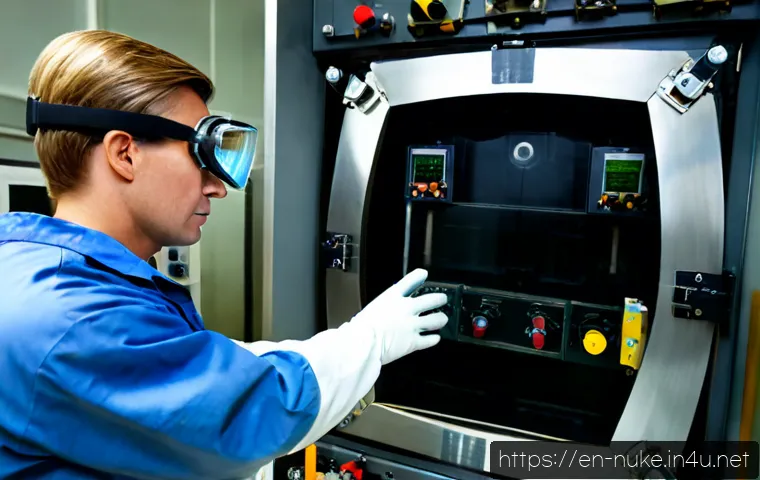
Programs can include guided exhibits, introductory briefings, physical models, multimedia displays, group discussions, and simulator exercises. A simulator may help participants understand how teams interpret information, follow procedures, and communicate during changing conditions. It should be viewed as an educational tool unless the provider clearly describes it as part of a formal technical training course.
Three Quick Takeaways Before Booking
- Confirm whether the program is a public tour, museum activity, academic workshop, or structured training course.
- Check whether simulator access is included, optional, or only demonstrated by an instructor.
- Match the program’s stated learning outcomes to your reason for attending.
Compare Learning Formats, Time Commitment, and Overall Value
The best value is not always the lowest admission cost. A short museum visit may be ideal for a family, while a longer technical education course may better serve someone comparing engineering careers or energy-sector training programs.
Visitor Center Tour vs. Science Museum Program vs. Technical Workshop
A visitor center tour is usually the simplest option for understanding the big picture. A science museum program may be stronger for interactive learning and group participation. A technical workshop can offer more structured material, instructor discussion, and career-relevant context.
For educators, look for programs that explain the intended audience and educational level. For students, a workshop with clear objectives may be more useful than a general exhibit. For a casual visitor, paying for advanced material may not add much value if the goal is simply to understand the basics.
When a Simulator Session Is Worth Paying Extra For
A simulator session may justify a higher course fee when it provides active participation, clear supervision, and a defined debrief. The useful part is often not pressing controls. It is learning how procedures, communication, and team roles support safe decision-making.
Ask whether participants work through a scenario, observe a demonstration, or only receive a brief overview. Also ask whether the course explains what the simulator represents and what it does not represent.
Total-Cost Considerations Beyond the Ticket Price
Compare more than the listed admission price. Consider transportation, parking where applicable, accommodation for longer trips, meals, time away from work or school, and any separate workshop or simulator fee. A program with a higher ticket price may still offer better value if it includes materials, longer instructor access, or a structured learning session.
How Hands-On Nuclear Safety Exercises Usually Work
Educational nuclear safety exercises are generally designed to show why disciplined processes matter. They are not an opportunity for visitors to operate real plant equipment. Supervision and boundaries are central to the learning experience.
Why Training Scenarios Focus on Procedures, Communication, and Decision-Making
Well-designed scenarios can show how people assess information, communicate clearly, and follow defined steps rather than acting on guesswork. This is useful for understanding safety culture in technical environments. It can also help students see that engineering work involves teamwork, documentation, and careful decision-making, not only science theory.
What Participants Should Expect From a Supervised Simulator Activity
Participants may receive an introduction, assigned roles, instructions for a scenario, and a discussion afterward. The instructor may pause the activity to explain why a certain response or communication method matters. The level of involvement varies widely, so confirm whether the session is observational, guided, or participant-led.
Questions to Ask About Instructor Qualifications and Learning Objectives
Ask who leads the session, what the program intends to teach, and whether the content is designed for the public, students, or professionals. A reputable technical education program should be able to describe its audience, supervision approach, and expected learning outcomes in plain language.
Planning, Access Rules, and Mistakes to Avoid
Planning details can determine whether a visit goes smoothly. Access rules are site-specific, so never rely on assumptions from another facility, museum, or training provider.

Booking Lead Time, Identification, Clothing, and Arrival Requirements
Some programs may require advance booking, identification, specific arrival times, or clothing suitable for a guided facility environment. Requirements can change, especially for locations connected to industrial or secure sites. Review the official visitor information before purchasing tickets or arranging travel.
Photography, Devices, Security Screening, and Restricted Areas
Photography rules, device policies, screening procedures, and restricted-area access vary by location. Do not assume that a camera, phone, bag, or recording device will be permitted everywhere. If photography matters to your visit, check the policy in advance rather than asking after arrival.
Avoid Assuming That “Hands-On” Means Access to Operational Equipment
“Hands-on” may refer to models, interactive exhibits, supervised simulations, or classroom exercises. It should not be interpreted as access to live operational controls, restricted systems, or an operating reactor area. This distinction helps avoid disappointment and supports realistic expectations about safety and security.
Which Experience Fits Your Goal?
Best Fit for Families and General Science Learners
Choose a visitor center or science museum program with accessible explanations, visual exhibits, and a manageable schedule. Look for clear age guidance and ask whether the activities are designed for mixed experience levels. A simple guided tour may offer better value than a highly technical course.
Best Fit for Students Exploring Engineering or Energy Careers
Students should look for academic workshops, university outreach events, career presentations, or supervised simulator sessions with stated learning objectives. The strongest option is often one that connects technical concepts with real career pathways, instructor discussion, and opportunities to ask practical questions.
Best Fit for Professionals Seeking Structured Technical Training
Professionals should prioritize formal course descriptions, instructor qualifications, defined prerequisites, and training outcomes. A general public tour may be interesting, but it is unlikely to replace structured technical training. Compare course content and supervision before committing time and travel costs.
Selection Criteria and Comparison Summary
Use this final checklist before choosing a nuclear learning experience:
- Compare duration, including travel time and the actual time spent learning.
- Check the level of supervision and whether qualified instructors lead the activity.
- Confirm what equipment access means: exhibits, models, simulators, or observation only.
- Review the total trip cost, not only the advertised admission fee.
- Choose the level of educational depth that fits your goal: general interest, career exploration, or technical development.
Compare duration, supervision, equipment access, and total trip cost on each provider’s official program page before booking.
In Closing
A nuclear energy visit can be a useful learning experience when expectations are realistic. The best program is the one that clearly matches your purpose and explains what participants will actually do. Public tours, museum exhibits, academic workshops, and simulator courses each offer a different level of depth. Confirm access rules and program details before committing to travel or admission costs.
Useful Things to Know
Program descriptions matter. Look for stated learning outcomes, intended audience, supervision details, and included activities. If a listing is unclear about simulator access, restricted areas, or timing, request clarification before paying. A well-organized program should make its format and limitations easy to understand.
Important Notes
Public access, fees, age limits, identification requirements, booking availability, safety procedures, photography policies, and restricted-area rules vary by provider and may change. This guide does not confirm access to any specific operating nuclear power plant, visitor center, museum, university lab, or training facility. Always verify current conditions directly with the program organizer.
Frequently Asked Questions
Q1. Are nuclear power plant visits safe for members of the public?
A1. Public programs are generally organized around the provider’s access controls and safety procedures, but the exact format varies. A visitor center, guided educational tour, and operating-site visit can have very different rules. Check the organizer’s current requirements before attending.
Q2. How much does a nuclear energy tour or simulator experience typically cost?
A2. Costs vary by provider, program format, location, duration, and included activities. Compare the admission or course fee with transportation, possible accommodation, session length, instructor access, and whether simulator participation is included.
Q3. Is a nuclear training visit useful for students considering an engineering career?
A3. It can be useful when the program offers structured explanations of engineering roles, energy systems, safety practices, and technical decision-making. Students may gain the most from academic workshops or supervised simulator-based programs with clear learning objectives rather than a general sightseeing-style visit.