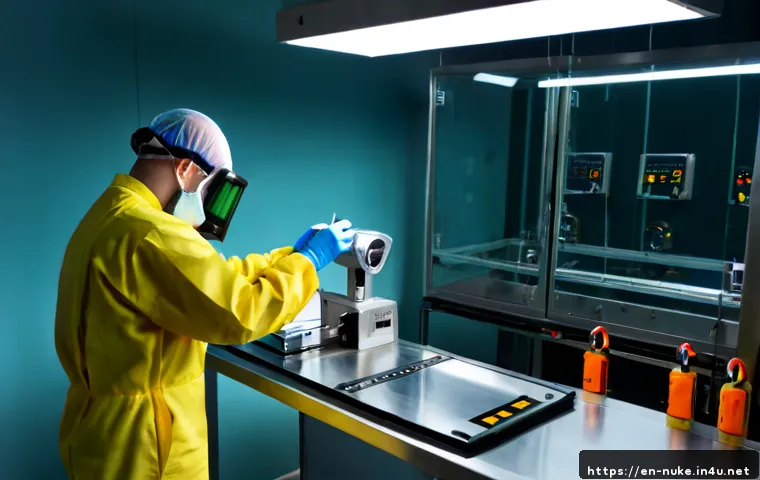
Nuclear laboratory equipment should only be used by trained, authorized personnel following approved local procedures. The right instrument, safety controls, calibration status, and documentation must be confirmed before work begins.

For laboratories comparing equipment, the best choice is not necessarily the lowest purchase-price option. Portable detectors, fixed monitoring systems, shielding, and service agreements each solve different problems and create different support needs.
A practical selection process considers radiation type, expected energy range, measurement objective, environment, detection sensitivity, and the facility’s licensing conditions.
It also accounts for training, calibration, maintenance, consumables, documentation, and end-of-life disposal. General online guidance can help teams compare options, but it cannot replace site-specific radiation safety training or direction from the responsible radiation safety lead.
At a Glance
- Authorization, local procedures, and fit-for-purpose equipment come before operation.
- Radiation instruments need appropriate calibration, functional checks, and maintenance records.
- Total ownership cost includes more than procurement: consider training, service, documentation, consumables, and disposal.
| Equipment Category | Best-Fit Decision Question | Key Support Requirement | Ownership Consideration |
|---|---|---|---|
| Portable survey instruments | Is mobile measurement needed across changing work areas? | Calibration records and routine functional checks | Training, accessories, maintenance, and calibration turnaround |
| Fixed-area monitoring | Does the facility need continuous awareness in a defined location? | Installation review, service response, and documented inspection | Integration, field service, alarms, and ongoing support coverage |
| Shielding and containment | Can exposure risks be reduced through engineering controls? | Shielding assessment and facility-specific design review | Installation, verification, maintenance, and modification control |
| Calibration and service agreements | Can the instrument remain available and documented throughout its working life? | Clear scope for calibration, repair, certificates, and response time | Downtime planning, shipping, loan units, and compliance documentation |
What Safe, Authorized Equipment Use Requires
The three essentials: authorization, site procedures, and instrument suitability
Safe use starts with three connected requirements: authorized personnel, an approved site-specific procedure, and an instrument that matches the intended measurement. A capable instrument does not make an untrained user authorized, and a trained worker should not rely on an instrument that is unsuitable for the radiation type or work environment.
Before equipment is placed into service, the responsible team should confirm the measurement purpose. That may include checking a work area, supporting a controlled task, monitoring a fixed location, or verifying conditions required by a local program. The expected energy range, required sensitivity, surrounding environment, and source characteristics can all affect selection.
Personal protective equipment should not be the first control considered. Engineering controls such as shielding, controlled access, ventilation, and interlocks should be evaluated before relying on personal protection alone.
Why general online instructions cannot replace facility-specific training
A manual and a general equipment overview can explain product features, but they cannot account for a facility’s license conditions, approved work methods, access controls, source inventory, or incident-reporting process. These details vary by jurisdiction and site.
For that reason, training should be documented and linked to the actual equipment and procedures used at the location. Procurement teams can use product documentation to compare service features, but operating instructions must come from the facility’s authorized process.
When to pause work and contact the radiation safety lead
Pause work when authorization is unclear, the procedure is unavailable or outdated, an instrument’s identification or inspection status cannot be confirmed, or a functional check does not produce the expected result. The same applies when the work area status, access restrictions, or equipment condition is uncertain.
Contact the designated radiation safety lead rather than attempting to resolve an unclear condition through generic instructions. This protects personnel, preserves documentation quality, and supports proper incident reporting where required.
Compare Equipment Categories Before Selecting a Setup
Portable survey meters versus fixed-area monitoring
Portable survey instruments are generally considered when measurements must be taken in more than one location or when conditions can change during a task. Their value depends on correct instrument selection, current calibration, functional checks, and users who understand the approved local procedure.
Fixed-area monitoring systems may be more appropriate when a defined space needs ongoing monitoring. These systems can introduce additional procurement questions, including installation needs, alarm response expectations, maintenance responsibility, documentation, and service coverage.
The choice is not simply portable versus fixed. A facility may need different layers of monitoring depending on its activities, work areas, and local safety program.
Detection instruments, shielding, containment, and supporting safety systems
Detection equipment is only one part of a safe setup. A well-planned laboratory may also need shielding assessment, controlled access, ventilation, containment measures, interlocks, and a clear maintenance workflow. These engineering controls should be reviewed early, especially during a new controlled-area project or equipment upgrade.
When requesting procurement comparisons, separate the item price from the supporting system. Ask whether the quotation addresses accessories, installation requirements, documentation, calibration certificates, preventive maintenance, repair service, and consumables. This approach makes it easier to compare a basic instrument purchase with a more complete laboratory radiation safety solution.
Comparison table: intended use, support needs, and typical ownership costs
Ownership costs differ because each category creates a different support burden. A portable instrument may require routine calibration management and user training. A fixed system may require installation coordination and field service. Shielding and containment can require design review and controlled modifications. A service agreement may reduce uncertainty, but its coverage should be read carefully.
Purchase price alone is not a complete comparison. Include calibration, maintenance, service response, consumables, documentation, training, and compliant end-of-life disposal in the evaluation.
Buying new, refurbished, or using a specialist rental/service provider
New equipment may offer current documentation and warranty options, while refurbished equipment may require closer review of condition, support availability, calibration status, and records. A specialist rental or service provider can be relevant for temporary needs, planned outages, audits, or evaluation before a larger purchase.
Whichever route is considered, confirm that the equipment can be supported within the facility’s program. Ask whether calibration certificates, maintenance history, chain-of-custody records, repair options, and manufacturer instructions are available and suitable for the intended use.
Pre-Use Checks and Documentation Workflow
Confirm authorization, work area status, and current operating procedure
Before authorized use, confirm that the operator is approved for the task and that the correct local operating procedure is current. The work area should have the appropriate status and access conditions for the planned activity. If the task differs from the approved process, stop and seek direction before proceeding.
This is especially important where different teams share instruments or where equipment moves between laboratories. A clear handoff process helps prevent assumptions about authorization, operating condition, or current assignment.
Verify identification, inspection status, calibration records, and functional checks
Each instrument should be identifiable within the facility’s equipment-control process. Check the equipment identification, current calibration status, inspection information, and any required functional-check record according to manufacturer instructions and local program requirements.
A calibration certificate is important, but it is not a substitute for routine checks required by the manufacturer or site program. If an instrument does not meet the expected condition for use, remove it from service according to the approved process and notify the responsible person.
Recordkeeping for quality assurance, maintenance, and audits
Good records support more than compliance. They help laboratories demonstrate equipment status, identify recurring maintenance issues, plan calibration, and trace custody during transfers or service. Useful records may include calibration certificates, maintenance history, functional-check documentation, training records, and chain-of-custody information.
For procurement teams, document control should be part of the vendor comparison. A lower initial quote may create more work later if certificates, service reports, or maintenance documentation are incomplete or difficult to obtain.
Common Safety and Procurement Mistakes to Avoid

Choosing a detector that does not match the measurement objective
A frequent selection error is starting with a familiar product category rather than the actual measurement objective. Equipment suitability depends on radiation type, expected energy range, required sensitivity, environment, and intended use. These factors should be reviewed with the responsible radiation safety function before a purchase order is finalized.
Treating a calibration certificate as a substitute for routine checks
Calibration confirms an important part of instrument status, but it does not replace required functional checks or local inspection steps. The manufacturer’s instructions and facility program determine what must be verified before use and how records should be maintained.
Underbudgeting for service, training, consumables, and compliant disposal
Procurement decisions can become difficult when the budget covers only the instrument. Include training, calibration, maintenance contracts, repair support, consumables, compliance documentation, and end-of-life disposal in the total-cost-of-ownership review.
For larger systems, also ask about field service, installation support, system integration, documentation updates, and expected service coordination. These details may matter as much as the equipment specification.
Using generic instructions instead of the facility’s approved process
Generic online content is useful for building a purchasing checklist, not for replacing local operating authorization. Radioactive-material handling, transport, storage, disposal, and incident reporting are subject to jurisdiction-specific rules and facility licensing conditions. Confirm the applicable requirements with the authorized local program.
Guidance by Laboratory and Facility Scenario
Academic teaching and research laboratories
Academic laboratories often need clear separation between teaching content, authorized work, equipment access, and supervision. A practical procurement plan should account for documented training, user access, instrument scheduling, calibration management, and record retention. Shared equipment should have clear ownership for maintenance and status review.
Industrial quality-control and materials-testing environments
Industrial environments may prioritize repeatable workflows, downtime control, quality assurance, and traceable documentation. Equipment selection should consider the work environment, required detection sensitivity, maintenance access, and the availability of calibration or service support that fits production planning.
Where continuity matters, a maintenance contract or specialist service provider may be worth comparing alongside the equipment purchase. The right option depends on the facility’s program and the consequences of equipment downtime.
Facilities planning an equipment upgrade, audit, or new controlled area
An upgrade or audit is a useful time to review the full safety system rather than replacing instruments one at a time. Consider whether existing shielding, controlled access, ventilation, interlocks, documentation practices, and service arrangements remain appropriate for the planned work.
For a new controlled area, engage responsible safety personnel early. Early review can prevent a procurement choice that later requires additional modifications, support arrangements, or documentation work.
When an external radiation safety consultant or service provider may be appropriate
An external provider may be appropriate when a facility needs independent equipment comparisons, shielding assessment, calibration support, maintenance planning, or assistance organizing documentation for quality assurance. The provider’s role should be clearly defined, and the facility should still confirm that recommendations fit its own authorization and licensing conditions.
Selection Criteria and Comparison Summary
Before requesting quotes, confirm these decision points:
- Does the instrument match the radiation type, expected energy range, measurement purpose, environment, and sensitivity requirement?
- What training, authorization, and site procedure requirements apply before use?
- What is included for calibration, functional checks, maintenance records, and certificates?
- How are warranty, repair, field service, calibration turnaround, and documentation handled?
- What additional costs may apply for consumables, installation, shielding assessment, training, service, and end-of-life disposal?
- Can the supplier provide documentation that supports the facility’s quality assurance and chain-of-custody needs?
When comparing laboratory radiation safety equipment or service contracts, review the official product and service details for coverage, documentation, and local support conditions.
Conclusion
Safe nuclear laboratory equipment use is an authorization and systems question, not simply an operating question. The most suitable purchase supports the intended measurement while fitting the facility’s training, engineering controls, maintenance workflow, and documentation requirements.
A structured comparison helps prevent overlooked costs and reduces the risk of purchasing equipment that cannot be properly supported. Where requirements are unclear, the responsible radiation safety lead or qualified service provider should be consulted before equipment is put into use.
Useful Information to Keep in Mind
1. Equipment selection should begin with the measurement objective, not a product model.
2. Calibration, routine functional checks, and maintenance records serve different purposes.
3. Engineering controls should be evaluated before relying mainly on personal protective equipment.
4. Service contracts can be compared by documentation scope, turnaround arrangements, repair support, and field-service availability.
Important Considerations
This information is a general equipment-selection and safety framework. Exact legal duties, training requirements, inspection intervals, calibration frequency, protective controls, and licensing conditions depend on the jurisdiction, facility, radiation sources, and equipment involved. Follow manufacturer instructions, approved site procedures, and direction from authorized radiation safety personnel.
Frequently Asked Questions
Q1. Can anyone use nuclear laboratory equipment after reading a manual?
A1. No. Ionizing-radiation work generally requires documented training, designated responsible personnel, and written local procedures. A manual can support training, but it does not replace authorization or facility-specific instruction.
Q2. What should a laboratory include when comparing radiation detection equipment quotes?
A2. Compare suitability for the intended measurement, calibration support, functional-check requirements, warranty, maintenance, repair options, service response, documentation, consumables, training needs, and compliant disposal considerations. Purchase price should be reviewed alongside total ownership cost.
Q3. How often does radiation monitoring equipment need calibration or professional servicing?
A3. The required frequency depends on manufacturer instructions and the local radiation safety program. Confirm the applicable calibration, inspection, and service requirements with the facility’s responsible personnel rather than relying on a general interval.