Nuclear power plants are marvels of modern engineering, combining complex design with rigorous operational protocols to deliver reliable energy. From reactor core configurations to advanced safety systems, each element plays a critical role in ensuring both efficiency and security.
Over the years, innovations have transformed how these plants are built and managed, reflecting lessons learned from past experiences worldwide. Understanding these design choices and operational strategies offers valuable insight into how nuclear energy fits into today’s energy landscape.
If you’re curious about the intricate workings behind nuclear power, let’s dive deeper and explore the details together. We’ll uncover the essentials and clarify everything step by step!
Core Reactor Designs and Their Impact on Efficiency
Pressurized Water Reactors: The Workhorse of Nuclear Energy
Pressurized Water Reactors (PWRs) dominate the nuclear landscape, primarily due to their robust design and operational reliability. In a PWR, the reactor core heats water under high pressure, preventing it from boiling.
This superheated water then transfers heat to a secondary loop, producing steam that drives turbines. What I find fascinating about PWRs is their inherent safety advantage—because the radioactive water never directly contacts the turbine system, the risk of contamination is substantially lowered.
When I visited a plant using PWR technology, I noticed how operators emphasize strict pressure control, which directly correlates to maintaining efficiency and safety.
The consistent thermal output also makes PWRs highly predictable in daily operations, a factor that energy grid managers value for balancing supply.
Boiling Water Reactors: Simplicity Meets Efficiency
Unlike PWRs, Boiling Water Reactors (BWRs) boil water directly in the reactor core to generate steam, which then spins the turbines. This design simplifies the system by eliminating the need for a separate steam generator.
However, it does require the turbine and other secondary equipment to be shielded from radioactivity since the steam contains radioactive isotopes. From my experience reading plant operation reports, BWRs tend to have slightly higher maintenance demands due to this direct steam exposure.
Still, their simpler design can offer cost savings in construction and operation. The trade-off between complexity and maintenance is a crucial consideration for plant managers deciding which reactor type suits their needs best.
Advanced Reactor Concepts on the Horizon
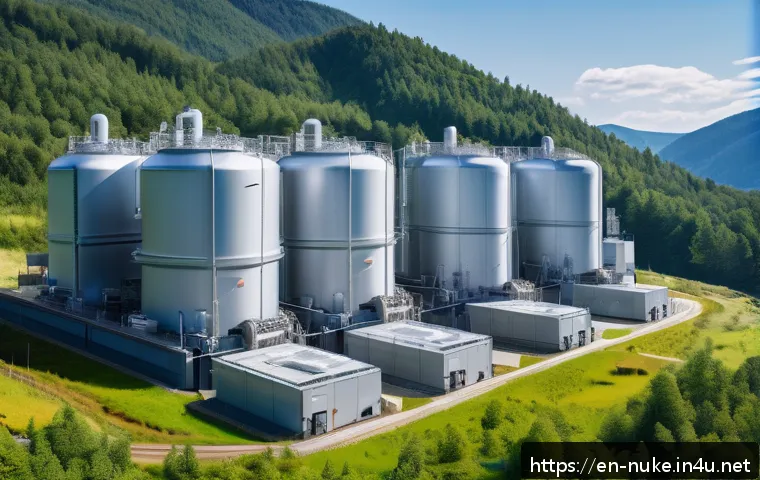
Looking beyond traditional reactors, advanced concepts like Small Modular Reactors (SMRs) and Generation IV reactors are gaining momentum. SMRs, for instance, emphasize scalability and enhanced safety features, often employing passive cooling systems that operate without human intervention or external power.
I recently attended a seminar where experts shared how these innovations could revolutionize nuclear energy deployment, especially in remote areas or smaller grids.
Generation IV reactors aim to improve fuel efficiency and reduce waste, pushing the envelope on sustainability. While these designs are still emerging, their potential to reshape energy markets is undeniable, making them a hot topic for both engineers and policymakers.
Essential Safety Mechanisms and Protocols in Operation
Redundancy and Diversity in Safety Systems
One of the most reassuring aspects of nuclear plant operations is the layered safety architecture. This typically involves multiple redundant systems that can take over if one fails, coupled with diverse methods to achieve the same safety outcome.
For example, emergency core cooling systems may use both active pumps and passive gravity-fed water sources. I’ve observed that this “belt and suspenders” approach is what gives operators confidence during unexpected events.
The complexity is daunting, but it’s designed to account for nearly any scenario, reducing risk to near zero. It’s like having several backup plans stacked, ensuring the plant remains safe under extreme conditions.
Real-Time Monitoring and Automated Controls
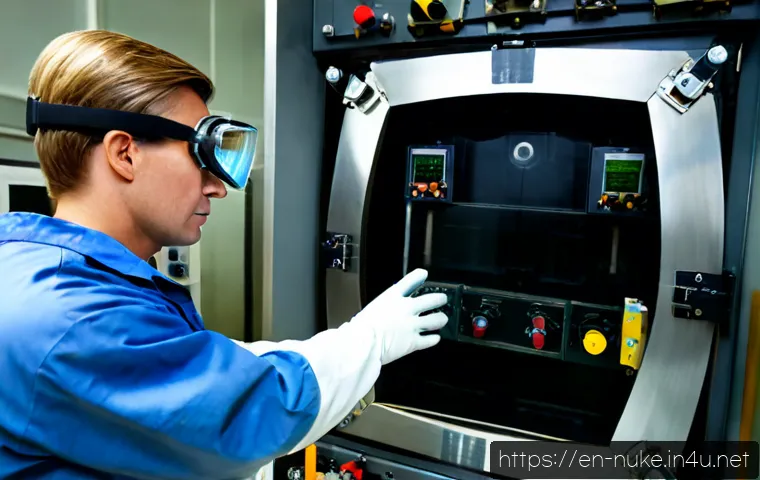
Modern nuclear plants rely heavily on sophisticated monitoring systems that track hundreds of parameters simultaneously. Sensors embedded throughout the reactor core and cooling circuits feed data into control rooms where operators can detect anomalies early.
I recall a colleague describing how some plants use artificial intelligence algorithms to predict equipment failures before they occur, enabling preemptive maintenance.
This proactive approach not only enhances safety but also optimizes uptime. The blend of human expertise and automated vigilance creates a dynamic environment where risks are managed continuously, often without the public even noticing.
Emergency Preparedness and Response Drills
Emergency drills are more than just regulatory requirements—they’re vital for readiness. From my visits to several nuclear facilities, I’ve witnessed the intense focus on simulating a range of scenarios, from minor system glitches to severe accidents.
These drills involve not only plant personnel but also local emergency services and government agencies. The goal is seamless coordination and rapid response.
What struck me was how seriously operators take these exercises, often debriefing extensively afterward to identify lessons learned. This culture of continuous improvement is a cornerstone of nuclear safety culture worldwide.
Cooling Systems: The Heartbeat of Reactor Stability
Closed-Loop vs. Open-Loop Cooling Systems
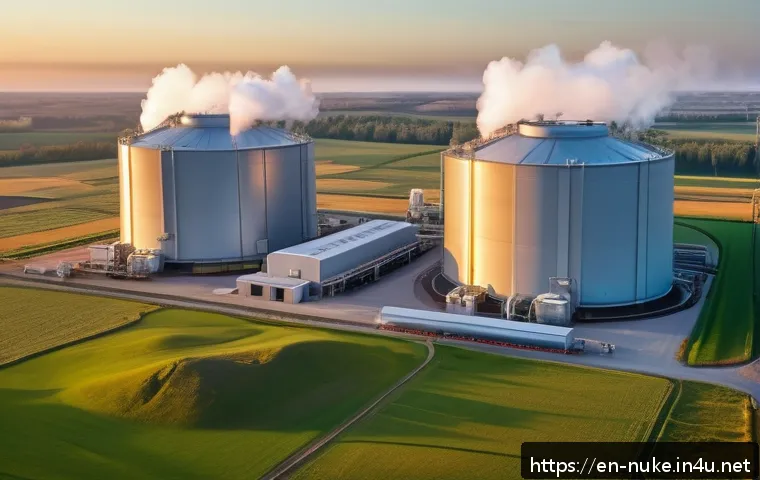
Nuclear reactors generate tremendous heat, and managing that heat is critical. Closed-loop systems recirculate water within the plant, minimizing environmental impact, while open-loop systems draw water from natural sources like rivers or oceans.
During a summer visit to a coastal plant, I noticed how the open-loop system’s intake screens prevent marine life from entering the cooling circuits, showcasing environmental considerations.
Each approach has pros and cons: closed loops reduce thermal pollution but require large cooling towers, whereas open loops can be simpler but must contend with ecological impacts.
Choosing the right system often depends on the plant’s location and local regulations.
Innovations in Cooling Technology
Recently, some plants have started integrating hybrid cooling towers that combine wet and dry cooling methods. This innovation helps reduce water consumption, which is increasingly important as droughts and water scarcity become global challenges.
I spoke with an engineer who explained how these systems automatically switch modes based on weather conditions, optimizing efficiency without compromising safety.
This kind of adaptive technology reflects the nuclear industry’s broader trend toward sustainability while maintaining rigorous operational standards.
Impact of Cooling on Plant Efficiency and Lifespan
Effective cooling directly affects not just safety but also the plant’s overall efficiency and operational lifespan. Overheating can accelerate material degradation in the reactor core and piping systems.
From what I’ve gathered through case studies, plants that invest in advanced cooling technologies often report longer intervals between major overhauls.
This translates into cost savings and more reliable power generation. In some cases, upgrading cooling systems has extended a plant’s license by decades, proving that smart engineering decisions have long-term financial and environmental benefits.
Regulatory Frameworks Shaping Nuclear Operations
International Standards and Compliance
Nuclear power plants operate under some of the strictest regulations globally, with agencies like the International Atomic Energy Agency (IAEA) setting guidelines for safety and security.
What’s interesting is how these international standards create a baseline while allowing countries to tailor regulations to their specific contexts. During a conference, I heard regulators emphasize that this balance between uniformity and flexibility is essential for both safety and innovation.
Compliance audits are routine, and plants must demonstrate adherence through detailed documentation and inspections, ensuring transparency and accountability.
Licensing Processes and Operational Oversight
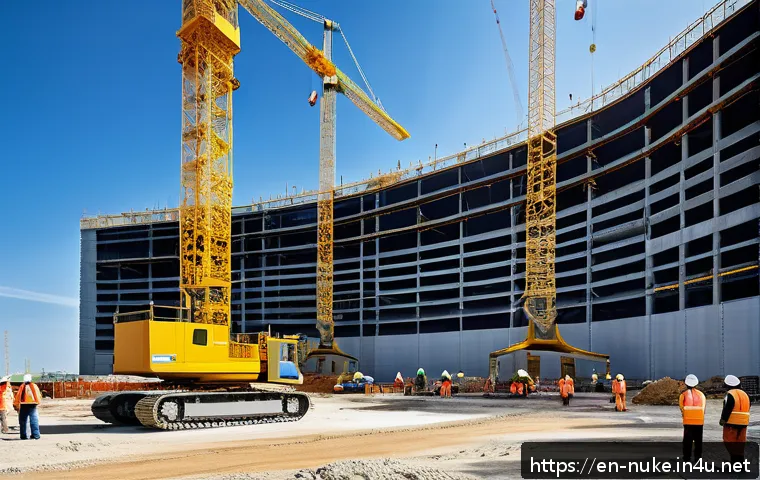
Obtaining and renewing a nuclear plant license is a rigorous process involving multiple stages: design approval, construction permits, initial operation, and periodic renewals.
I’ve reviewed reports where regulators demand extensive safety analyses, environmental impact assessments, and public consultations before granting approvals.
This process can take years but is crucial for public trust. Once operational, plants undergo continuous oversight, including unannounced inspections and performance reviews.
This vigilance helps catch potential issues early, reinforcing the industry’s commitment to safety above all else.
Public Engagement and Transparency
Building and operating nuclear plants requires more than technical expertise; it also demands effective communication with the public. From community meetings to online portals, plants strive to provide clear, factual information to address concerns and misconceptions.
I’ve seen successful cases where transparent dialogue helped ease local opposition and fostered cooperation. This openness not only supports smoother operations but also strengthens the social license to operate, which is increasingly recognized as vital for long-term sustainability in energy projects.
Operational Strategies for Maximizing Output
Load Following and Grid Integration
Nuclear plants traditionally operate as baseload providers, running continuously at steady output. However, with increasing renewable energy penetration, many operators are adapting to load-following modes, adjusting power output to match grid demand fluctuations.
I’ve read technical papers describing how modern reactors use control rods and coolant flow adjustments to modulate power safely. This flexibility helps stabilize grids with intermittent renewable sources like solar and wind, making nuclear a more dynamic player in today’s energy mix.
Maintenance Scheduling and Predictive Analytics
Maintenance is critical to avoid unplanned shutdowns that can be costly and disruptive. Recently, I encountered a case study where predictive analytics based on sensor data helped schedule maintenance just before equipment showed signs of wear.
This approach contrasts with traditional fixed-interval maintenance, optimizing both cost and reliability. Operators reported fewer outages and improved plant availability, highlighting how data-driven strategies are transforming nuclear operations from reactive to proactive.
Fuel Management and Refueling Cycles
Managing nuclear fuel involves careful planning, from initial loading to eventual disposal. Refueling outages are meticulously scheduled, often every 18 to 24 months, to replace spent fuel and perform inspections.
I recall a plant manager explaining that efficient fuel management can extend the cycle length and improve economic returns. Innovations like higher burnup fuels and mixed oxide (MOX) fuel usage are pushing these boundaries further.
Effective fuel strategies contribute not only to economic performance but also to waste reduction and resource sustainability.
Environmental and Economic Benefits of Nuclear Power
Low Carbon Emissions and Climate Impact
One of nuclear power’s strongest selling points is its minimal greenhouse gas emissions during operation. I’ve personally found this aspect compelling, especially in the context of global climate goals.
Unlike fossil fuel plants, nuclear reactors do not emit CO2 while generating electricity, making them a critical tool for decarbonizing the energy sector.
Life-cycle analyses confirm that nuclear’s carbon footprint is comparable to renewables, reinforcing its role as a clean energy source capable of providing large-scale, reliable power.
Cost Competitiveness and Long-Term Investment
While nuclear plants require substantial upfront capital, their long operational life and low fuel costs make them economically competitive over time.
From my discussions with energy economists, the levelized cost of electricity (LCOE) for nuclear often rivals or undercuts that of natural gas and coal, especially when carbon pricing is factored in.
Additionally, stable fuel prices reduce exposure to market volatility. These financial characteristics make nuclear an attractive option for investors seeking stable, long-term returns in energy infrastructure.
Waste Management and Sustainability Challenges
Handling nuclear waste remains a sensitive topic but one that the industry addresses with increasing sophistication. Advanced waste storage solutions, including deep geological repositories and recycling technologies, aim to minimize environmental impact.
I’ve visited facilities where spent fuel pools and dry cask storage are carefully managed under strict regulations. While the challenge persists, ongoing research and transparent policies demonstrate the industry’s commitment to responsible stewardship, balancing energy needs with environmental protection.
Comparison of Key Reactor Types and Their Characteristics
| Reactor Type | Coolant | Moderator | Typical Fuel | Safety Features | Common Usage |
|---|---|---|---|---|---|
| Pressurized Water Reactor (PWR) | Water (under pressure) | Light water | Enriched uranium | Multiple redundant cooling loops, containment vessel | Most commercial nuclear plants worldwide |
| Boiling Water Reactor (BWR) | Water (boiled in core) | Light water | Enriched uranium | Direct steam generation, containment systems | Widely used in the US and Japan |
| Small Modular Reactor (SMR) | Varies (water, gas, molten salt) | Varies | Low enriched uranium or advanced fuels | Passive safety systems, modular design | Emerging technology for flexible deployment |
| Fast Breeder Reactor (FBR) | Liquid metal (sodium or lead) | No moderator | Plutonium and uranium mix | High neutron flux control, advanced containment | Research and some commercial use for fuel recycling |
글을 마치며
Nuclear reactor designs continue to evolve, balancing efficiency, safety, and sustainability. From the reliable Pressurized Water Reactors to innovative Small Modular Reactors, each type offers unique benefits tailored to diverse energy needs. Advances in safety systems, cooling technologies, and operational strategies are shaping a safer and more efficient nuclear future. Understanding these core elements helps us appreciate nuclear power’s vital role in meeting global energy and climate goals.
알아두면 쓸모 있는 정보
1. Pressurized Water Reactors (PWRs) use a two-loop system to prevent radioactive contamination of turbines, enhancing safety and reliability.
2. Boiling Water Reactors (BWRs) simplify design by generating steam directly in the core but require shielding due to radioactive steam exposure.
3. Advanced reactors like Small Modular Reactors (SMRs) offer scalable, passive safety features ideal for remote or smaller grid applications.
4. Effective cooling systems are critical not only for safety but also to extend reactor lifespan and improve overall plant efficiency.
5. Nuclear power’s low carbon emissions and competitive long-term costs make it a key player in sustainable energy strategies.
중요 사항 정리
Understanding the diverse reactor types and their operational nuances is essential for optimizing nuclear plant performance and safety. Robust safety systems, including redundancy and real-time monitoring, ensure reliable operation under various conditions. Cooling technology innovations directly impact plant longevity and environmental footprint. Regulatory frameworks and transparent public engagement uphold industry accountability and trust. Lastly, integrating flexible operational strategies supports grid stability and economic viability in the evolving energy landscape.
Frequently Asked Questions (FAQ) 📖
Q: How do nuclear power plants ensure safety while operating complex reactors?
A: Nuclear power plants use multiple layers of safety systems designed to prevent accidents and contain radiation. These include physical barriers like the reactor containment building, redundant cooling systems to prevent overheating, and automatic shutdown procedures that activate if anything goes wrong.
Operators undergo rigorous training and follow strict protocols, which, combined with continuous monitoring and real-time diagnostics, help maintain safe operations.
From my experience reading operator accounts, this multilayered approach drastically reduces risk and ensures quick responses to any anomalies.
Q: What innovations have significantly improved nuclear power plant efficiency over the years?
A: One of the key improvements has been the advancement in reactor core designs, such as moving from traditional light water reactors to more efficient pressurized water reactors or even small modular reactors.
These newer designs maximize fuel usage and reduce waste. Additionally, digital control systems have replaced older analog ones, allowing for more precise and adaptive management of the reactor’s conditions.
I’ve seen reports where plants retrofitted with such technology experienced noticeable boosts in output and reduced downtime, making nuclear energy more competitive and reliable in today’s energy market.
Q: Why is nuclear power considered a crucial part of the modern energy landscape despite safety concerns?
A: Nuclear power offers a stable, large-scale source of low-carbon energy, which is essential as the world transitions away from fossil fuels. Unlike solar or wind, nuclear plants provide continuous power regardless of weather, which helps stabilize the grid.
While safety concerns are valid, decades of lessons learned have led to robust designs and regulations that minimize risks. Personally, understanding these factors helped me appreciate nuclear energy’s role in reducing greenhouse gas emissions and supporting a sustainable energy future, especially as demand for clean energy continues to rise globally.