Hey there, amazing energy enthusiasts! I’ve always been captivated by the sheer power that fuels our world, and lately, I’ve found myself diving headfirst into one of the most talked-about, yet often misunderstood, sources: nuclear power.
It’s a topic that constantly pops up in global conversations about climate change, energy independence, and even exciting technological leaps like small modular reactors.
Personally, I remember feeling a bit intimidated by the complex science when I first started exploring it, but what I discovered was a truly fascinating, foundational theory that’s critical to understanding our energy future.
There’s so much noise and so many headlines out there, but at its heart, the basic principles of nuclear energy are incredibly elegant and, dare I say, almost poetic in their ingenuity.
Forget the jargon for a moment; let’s truly grasp the simple, yet profound, ideas that underpin this powerful technology and how it could shape the coming decades for all of us.
Let’s unwrap the core concepts together and truly understand what makes nuclear power tick!
Unlocking the Atom’s Secret: The Magic of Fission
Cracking the Code: What Exactly is Fission?
You know, when I first started digging into nuclear power, the word “fission” felt like something straight out of a sci-fi movie. But honestly, once you get past the intimidating jargon, it’s actually a pretty elegant concept.
Imagine you have a really big, slightly unstable apple. Now, imagine giving it a gentle tap, and instead of just bruising, it splits into two smaller apples, and in the process, releases a burst of energy and maybe a few tiny apple seeds.
That’s essentially what nuclear fission is all about, but with atoms! Specifically, we’re talking about splitting the nucleus of heavy atoms, like uranium-235.
When a neutron (a tiny particle with no electrical charge) smacks into a uranium atom’s nucleus, it causes that nucleus to become unstable and literally break apart.
This isn’t just any break; it’s a release of a truly immense amount of energy, far more than you’d get from burning the same amount of coal or gas. It’s mind-boggling when you think about it – harnessing the fundamental forces that hold atoms together!
This incredible process is what underpins all conventional nuclear power generation, and it’s truly fascinating how we’ve learned to control something so microscopic to power entire cities.
It’s a testament to human ingenuity, wouldn’t you say?
The Controlled Chain: How We Harness the Power
Now, here’s where it gets really clever. When that uranium atom splits, it doesn’t just release energy; it also releases more neutrons. These new neutrons can then go on to hit other uranium atoms, causing them to split, release more energy, and release even more neutrons.
This is what we call a “chain reaction.” Sounds a bit scary, right? Like an uncontrolled explosion. And you’d be right to think that if it were left unchecked, it could be.
But the genius of nuclear power plants lies in how meticulously this chain reaction is controlled. Think of it like a carefully choreographed dance. We use control rods, usually made of materials like cadmium or boron, which are fantastic at absorbing those extra neutrons.
By inserting or withdrawing these rods from the reactor core, operators can precisely regulate the number of neutrons available to cause fission, thereby controlling the rate of the chain reaction and, consequently, the amount of heat generated.
It’s like having a dimmer switch for an incredibly powerful light bulb. This precise control is absolutely critical for safe and efficient power generation, ensuring a steady, predictable output of energy without runaway reactions.
It’s truly a marvel of engineering to manage such a powerful force with such precision!
At the Heart of It All: Peeking Inside a Nuclear Reactor
More Than Just a Kettle: Components of a Reactor
Alright, so we’ve talked about fission, but how does that actually translate into flipping on your lights at home? The star of the show is the nuclear reactor itself, and it’s a lot more complex and sophisticated than just a big boiler.
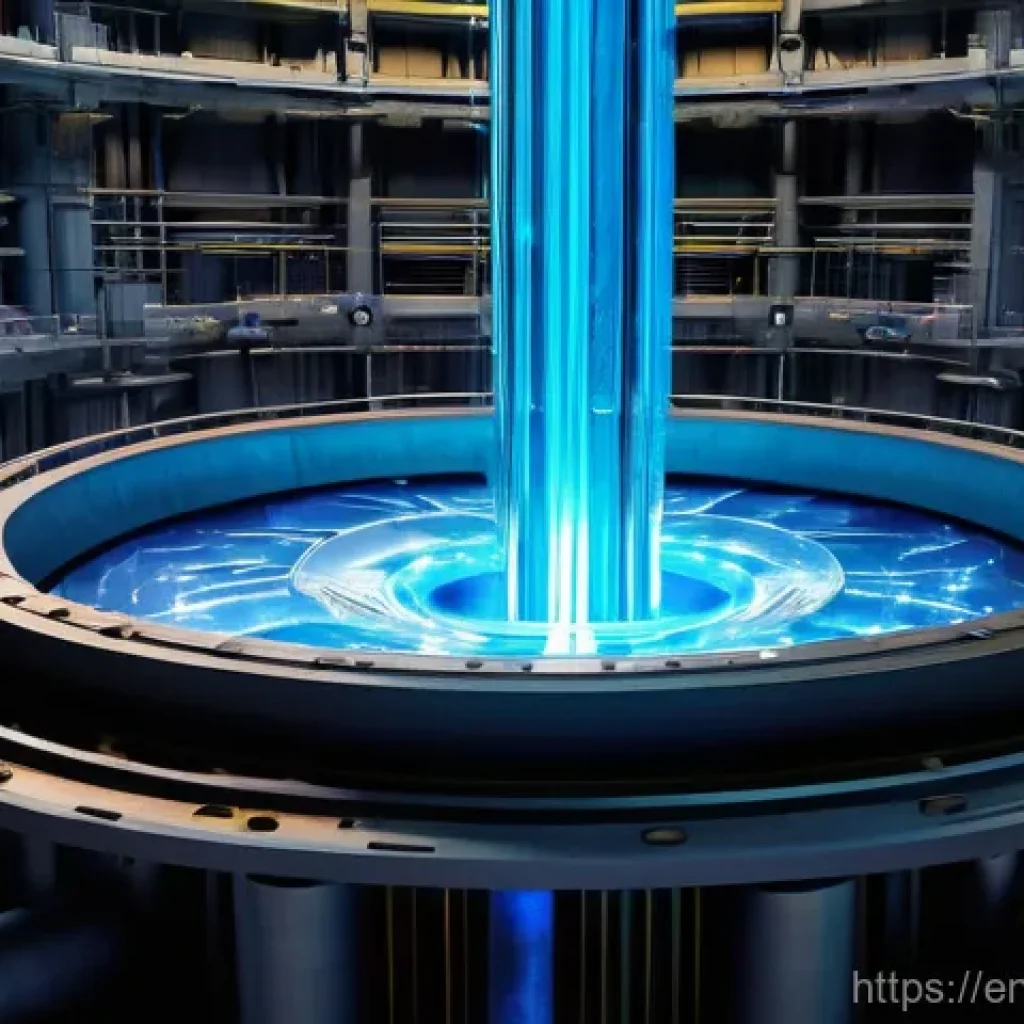
At its core, you have the reactor vessel, a massive, incredibly strong steel container designed to withstand immense pressure and heat. Inside this vessel is where all the magic happens.
We’ve got the fuel rods, packed with those uranium pellets we talked about, neatly bundled together in what are called fuel assemblies. Surrounding these fuel assemblies is the coolant, typically water, which serves two vital purposes: it helps to slow down the neutrons (making them more effective at causing fission), and crucially, it carries away the incredible heat generated by the fission process.
And, of course, those all-important control rods are strategically placed throughout the core, ready to be adjusted to manage the reaction. It’s a beautifully integrated system, with each component playing a critical role in keeping the entire operation safe and productive.
You really appreciate the engineering when you learn about the layers of redundancy and precision involved in its construction.
Generating the Juice: From Heat to Home
So, the fission process generates a tremendous amount of heat. What happens next? Well, this super-heated coolant, which is under extremely high pressure to keep it from boiling, is then circulated through a heat exchanger.
Think of it like a giant radiator. In this heat exchanger, the hot, radioactive coolant transfers its heat to a separate, non-radioactive water loop. This second loop of water boils and turns into high-pressure steam.
Now we’re getting somewhere familiar! This steam is then directed to spin a massive turbine, which is connected to an electrical generator. As the turbine spins, the generator produces electricity, which is then sent out to the grid and eventually makes its way to our homes and businesses.
After passing through the turbine, the steam is cooled back down into liquid water in a condenser (often using water from a nearby river or ocean, or through cooling towers you might see at a plant) and then pumped back to the heat exchanger to be heated again, completing the cycle.
It’s an incredibly efficient and continuous process, essentially converting the kinetic energy of tiny atomic particles into the electrical energy that powers our modern lives.
It’s truly amazing to witness how raw energy transforms into something we rely on every single day!
Addressing the Elephant in the Room: Safety and Security
Beyond Chernobyl: Modern Safety Standards
Okay, let’s be real. When people hear “nuclear,” sometimes their minds immediately jump to events like Chernobyl or Fukushima. And it’s completely understandable to have those concerns.
I remember feeling a knot in my stomach when I first learned about those incidents. But what’s absolutely crucial to understand is how profoundly these events, tragic as they were, have shaped and revolutionized modern nuclear safety.
Today’s nuclear power plants are built with layers upon layers of redundant safety systems, both active and passive. We’re talking about things like multiple backup cooling systems, earthquake-proof designs, robust containment buildings designed to withstand airplane impacts, and advanced digital control systems that constantly monitor every aspect of the plant’s operation.
The regulatory oversight in countries using nuclear power is incredibly stringent, with continuous inspections and rigorous training for operators. It’s a testament to continuous improvement and learning from past mistakes.
The industry has evolved dramatically, focusing on a “defense-in-depth” philosophy, meaning there are many barriers to prevent radioactive material from escaping, even in the event of extreme failures.
My personal takeaway is that while no human endeavor is entirely without risk, the nuclear industry has made monumental strides in safety, arguably making it one of the most rigorously regulated and safest forms of large-scale electricity generation available today.
Protecting Our Planet: Preventing Accidents and Proliferation
Beyond operational safety, there’s also the critical aspect of security and preventing nuclear proliferation – making sure nuclear materials aren’t diverted for weapons.
This is where international agreements and vigilant oversight, like that by the International Atomic Energy Agency (IAEA), come into play. Every step of the nuclear fuel cycle, from mining uranium to disposing of spent fuel, is meticulously tracked and secured.
Physical security at plants is incredibly tight, with multiple layers of protection to deter any unauthorized access or sabotage. Moreover, the very design of modern reactors often incorporates features that make it incredibly difficult to divert materials for weapons purposes.
It’s a global effort, a commitment from nations to ensure that this powerful technology is used exclusively for peaceful energy generation. I’ve always found it reassuring to know that there’s such a robust international framework in place, backed by sophisticated technology and dedicated professionals, all working to keep nuclear energy safe and secure for everyone.
It’s a complex challenge, no doubt, but one that the industry and global community take with the utmost seriousness, understanding the profound implications if they didn’t.
The Burning Question: Dealing with Nuclear Waste
A Tiny Footprint: The Realities of Spent Fuel
Okay, let’s tackle the elephant in the room that often gets people scratching their heads: nuclear waste. It’s probably the most common concern I hear when discussing nuclear power, and understandably so.
Images of glowing green ooze or endless barrels of toxic material often come to mind. But here’s the reality: the amount of high-level nuclear waste produced is surprisingly small.
For instance, all the spent fuel ever produced by U.S. commercial nuclear power plants since the 1950s could fit on a single football field, stacked about 24 feet high.
That’s a tiny footprint compared to the enormous volumes of waste generated by other forms of electricity production, like the ash from coal plants or the billions of tons of CO2 released into the atmosphere.
This spent fuel, primarily uranium with some fission products, is solid. It’s not a liquid ooze. After it’s removed from the reactor, it’s typically stored safely in water-filled pools for several years to cool down, and then often transferred to robust, air-cooled dry casks made of steel and concrete.
These casks are incredibly durable and designed to safely contain the waste for decades, right on the plant site, until a permanent disposal solution is implemented.
It’s a challenge, yes, but it’s a manageable one with a very small physical footprint.
Long-Term Solutions: What’s Being Done?
So, what’s the plan for the *really* long term? The international consensus, backed by decades of scientific research, points to deep geological repositories as the safest and most effective permanent solution for high-level nuclear waste.
This involves burying the waste thousands of feet underground in stable rock formations, where it can remain isolated from the environment for hundreds of thousands of years.
Think of it like putting something in a time capsule so deep that geological processes won’t disturb it for millennia. Countries like Finland and Sweden are already constructing such facilities, like Onkalo in Finland, and they’re incredibly impressive feats of engineering and long-term planning.
The idea is that the natural geology itself provides a formidable barrier, along with engineered barriers like robust canisters and backfill materials, to ensure complete containment.
While political challenges have sometimes slowed the implementation of such facilities in some countries, the scientific and engineering solutions are well-understood and proven.
It’s a commitment to future generations, ensuring that this energy source doesn’t leave an undue burden. It’s certainly a long-term project, but one that’s being meticulously planned and executed in several parts of the world.
Looking Ahead: The Bright Future of Nuclear Innovation
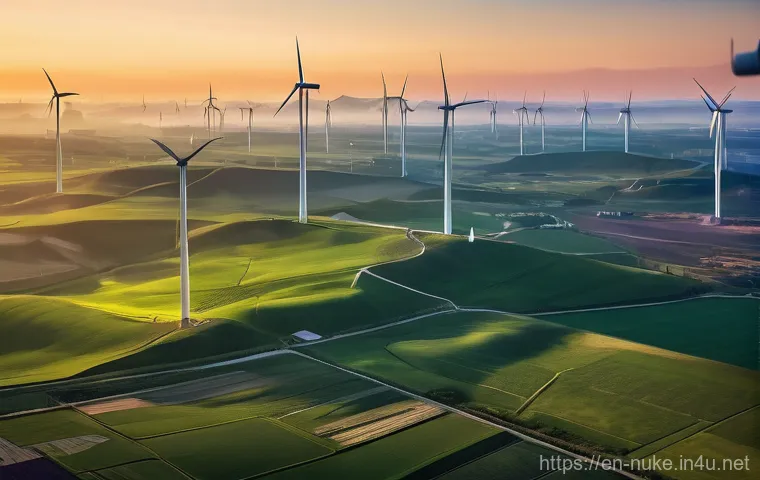
Smaller, Smarter, Safer: The Rise of SMRs
The world of nuclear energy isn’t standing still; it’s actually buzzing with incredible innovation! One of the most exciting developments I’ve been following is the rise of Small Modular Reactors, or SMRs.
Forget the massive, bespoke power plants of the past. SMRs are, as their name suggests, smaller – often just a fraction of the size of traditional reactors – and are designed to be factory-fabricated and then transported to a site for assembly.
This modular approach means they can be built faster, often with less upfront cost, and can be deployed to a wider range of locations, even remote communities or industrial sites that can’t accommodate a giant plant.
What really gets me excited about SMRs is their enhanced safety features, often incorporating passive safety systems that rely on natural forces like gravity or convection to shut down and cool the reactor without any active intervention, even in the event of a power loss.
This intrinsic safety makes them incredibly resilient. Plus, their flexibility means they can be integrated with renewable energy sources, providing reliable, carbon-free baseload power when the sun isn’t shining or the wind isn’t blowing.
It’s a game-changer for grid stability and energy security, and I genuinely believe they’re going to be a huge part of our energy landscape in the coming decades.
Fusion Dreams: The Ultimate Clean Energy Frontier
And then, there’s fusion. Oh, fusion! If fission is about splitting atoms, fusion is about joining them – the very process that powers our sun.
Imagine a virtually limitless, inherently safe, and incredibly clean energy source with almost no long-lived radioactive waste. That’s the promise of fusion power.
Instead of heavy, unstable atoms, fusion typically involves light elements like isotopes of hydrogen, fusing them together under extreme heat and pressure to release massive amounts of energy.
The fuel is abundant (from water!), and the reaction products are largely benign helium. For decades, it’s been the holy grail of energy research, often joked about as “always 30 years away.” But I’ve personally felt a shift in the last few years; the progress being made in labs around the world, from massive international projects like ITER to private ventures attracting significant investment, is truly breathtaking.
Breakthroughs in superconductor technology, plasma control, and material science are bringing us closer than ever to achieving sustainable fusion. It’s still a monumental scientific and engineering challenge, no doubt, but the potential rewards are so immense that the pursuit is absolutely worth it.
When (not if, I believe!) we crack commercial fusion, it will fundamentally transform humanity’s energy future, making energy scarcity a thing of the past.
Dollars and Cents: The Economic Side of Nuclear Power
Building Big: The Upfront Investment
When we talk about nuclear power, one of the biggest hurdles that often comes up in conversation is the cost. Let’s be frank: building a new nuclear power plant is a massive undertaking, requiring an enormous upfront capital investment.
We’re talking billions of dollars and many years of construction, from regulatory approvals to pouring the last bit of concrete. The sheer scale and complexity, combined with stringent safety regulations and unique engineering requirements, mean that these projects are among the most expensive infrastructure developments on the planet.
This initial cost is definitely a barrier for many countries and utilities, and it’s why financing mechanisms and government support often play a significant role in getting new projects off the ground.
However, it’s crucial to look beyond just the sticker price. While the initial investment is high, it’s for a plant designed to operate for 60 to 80 years, providing reliable, carbon-free power for generations.
It’s a long-term investment in energy security and environmental stewardship, and like any big infrastructure project, the true value emerges over its extended lifespan.
Reliable Power: Long-Term Operational Benefits
Here’s where the economics of nuclear power start to shine for me. Once a nuclear plant is up and running, its operational costs are remarkably stable and relatively low compared to the value of the electricity it produces.
The fuel costs, while not negligible, represent a smaller fraction of the overall operating expenses compared to fossil fuel plants, which are constantly exposed to volatile global commodity markets.
Nuclear plants run at incredibly high capacity factors – often over 90% – meaning they produce power almost constantly, day and night, rain or shine, unlike intermittent renewables.
This consistent, predictable output provides invaluable baseload power, keeping the lights on reliably. This reliability translates into stable electricity prices for consumers over the long term, offering a hedge against fluctuating fossil fuel prices.
While the initial investment is significant, the long-term operational stability, low fuel costs relative to output, and consistent power generation make nuclear a very economically attractive option over its decades-long lifespan.
It’s a powerful engine for economic stability, providing jobs and clean energy for extended periods.
Why It Matters: Nuclear Power in a Changing World
A Steady Hand: Energy Independence
In today’s interconnected yet often turbulent world, energy independence has become a top priority for many nations. Relying heavily on imported fossil fuels can leave countries vulnerable to geopolitical shifts, supply chain disruptions, and volatile market prices.
This is where nuclear power truly stands out as a strategic asset. While the uranium fuel might be sourced internationally, the amount needed is incredibly small, and it can be stored on-site for years, providing a substantial buffer against supply interruptions.
This allows a nation to generate a significant portion of its electricity domestically, reducing its reliance on external energy sources and enhancing national security.
I’ve personally felt the sting of rising gas prices and the worry about energy bills, and the idea of a stable, homegrown energy supply feels incredibly reassuring.
It’s about having control over your own energy destiny, rather than being at the mercy of global politics or distant resource extraction. For me, that sense of self-reliance, especially when it comes to something as fundamental as power, is a hugely compelling argument for nuclear energy.
Fighting Climate Change: A Powerful Ally
And finally, perhaps the most critical reason why nuclear power is gaining renewed attention: its role in combating climate change. This is the big one, folks.
Unlike fossil fuels, nuclear power plants do not emit greenhouse gases – no carbon dioxide, no methane, no nitrous oxide – during operation. They are a genuinely clean energy source, producing massive amounts of electricity without contributing to global warming.
As we collectively strive to decarbonize our energy grids and meet ambitious climate targets, we need every tool in the toolbox. While renewables like solar and wind are absolutely essential, they are intermittent.
Nuclear provides that steady, always-on, carbon-free power that complements renewables perfectly, ensuring grid stability and reliability as we transition away from fossil fuels.
From my perspective, nuclear energy is not just *an* option; it’s a *necessary* part of a comprehensive strategy to achieve a sustainable, low-carbon future.
It offers a powerful, proven path to reducing emissions on a grand scale, something we urgently need to do for our planet and future generations.
| Energy Source | Key Benefit | Primary Drawback | Carbon Emissions (Operational) |
|---|---|---|---|
| Nuclear Power | High capacity, reliable baseload, small footprint, energy independence | High upfront cost, waste disposal, public perception challenges | Zero |
| Solar Power | Renewable, decreasing cost, no emissions, modular deployment | Intermittent, requires large land area, storage needed | Zero |
| Wind Power | Renewable, decreasing cost, no emissions | Intermittent, visual impact, noise concerns, land use | Zero |
| Natural Gas | Relatively low cost, flexible, lower emissions than coal | Fossil fuel, greenhouse gas emissions (methane leakage), price volatility | Medium |
| Coal Power | Abundant fuel, reliable baseload (historically) | High emissions, air pollution, large waste volume | High |
Wrapping Things Up
Whew! What a journey we’ve been on, diving deep into the fascinating world of nuclear fission. It’s truly mind-blowing to think about how we’ve learned to harness the incredible power locked within atoms, turning something so microscopic into a source of energy that lights up our lives. From the controlled chain reactions to the meticulous safety protocols and the exciting future of SMRs and fusion, it’s clear that nuclear power is far more than just a complex technology; it’s a testament to human innovation and our relentless pursuit of a cleaner, more reliable energy future. I hope this deep dive has shed some light on why this often-misunderstood energy source is such a vital part of the global conversation about sustainability and energy independence. It certainly changed my perspective, and I hope it’s sparked some interesting thoughts for you too!
Useful Information to Know
1. Nuclear waste isn’t a glowing green blob: Contrary to popular belief, high-level nuclear waste is typically a solid material, mainly uranium fuel, that’s incredibly dense. It’s carefully stored in secure, robust casks, not oozing everywhere!
2. Nuclear plants are workhorses: They operate at incredibly high capacity factors, often over 90%, meaning they produce power almost constantly. This makes them a reliable source of baseload electricity that doesn’t depend on weather conditions.
3. Safety standards are continuously evolving: Modern nuclear reactors incorporate multiple layers of passive and active safety systems, designed to withstand extreme events and prevent accidents. The industry is constantly learning and improving.
4. SMRs are changing the game: Small Modular Reactors are a game-changer, offering enhanced safety, lower construction costs, and greater flexibility for deployment, potentially making nuclear power accessible to more communities.
5. It’s a powerful climate change solution: Nuclear power plants produce zero operational greenhouse gas emissions, making them a crucial tool in the fight against climate change and a perfect partner for intermittent renewable energy sources.
Key Takeaways
So, after exploring the ins and outs of nuclear fission, what’s the big picture? For me, it boils down to this: nuclear power, despite its complexities and the historical baggage it sometimes carries, stands as a profoundly powerful and increasingly vital component of our global energy mix. We’ve seen how fission works, the intricate dance of a reactor, the relentless focus on safety, and the surprisingly manageable reality of its waste. We’ve also peeked into the exciting future with SMRs and the tantalizing promise of fusion. This isn’t just about kilowatts and reactors; it’s about energy independence, fighting climate change, and powering a sustainable future for generations to come. It’s an energy source that demands respect, but also understanding, and as we navigate the challenges of our changing world, nuclear energy offers a proven, clean, and reliable path forward. It really makes you think about the incredible ingenuity we possess, doesn’t it?
Frequently Asked Questions (FAQ) 📖
Q: How does nuclear power actually work?
A: Okay, so let’s cut through the complexity and get to the cool part! At its heart, nuclear power is all about something called nuclear fission. Imagine you have tiny, tiny atoms – specifically, a special kind of uranium, Uranium-235.
What happens is, we fire a tiny, invisible particle called a neutron at one of these uranium atoms. When that neutron hits, it makes the uranium atom unstable, and poof – it splits into two smaller atoms!
Now, here’s where the magic happens: when that atom splits, it releases a mind-boggling amount of energy, mostly as heat, and also a few more neutrons.
These new neutrons then go off and hit other uranium atoms, causing them to split, releasing more heat and more neutrons. It’s like a controlled domino effect, a “chain reaction.” In a nuclear reactor, we carefully manage this chain reaction with special control rods that absorb excess neutrons, keeping the heat generation steady and safe.
This intense heat then warms up water, turning it into super-hot steam. Just like in a traditional coal or gas plant (but without burning anything!), that steam then spins massive turbines, and those turbines are connected to generators that produce electricity for our homes and businesses.
It’s truly fascinating how we harness such incredible power from something so incredibly tiny!
Q: Is nuclear power truly safe, or are there significant risks involved?
A: This is absolutely one of the most common questions, and honestly, it’s one I felt really strongly about when I first delved into nuclear energy. When we hear “nuclear,” many of us immediately think of past incidents like Chernobyl or Fukushima.
And yes, those were indeed tragic events that taught the industry invaluable lessons. However, it’s crucial to understand that these incidents often stemmed from very specific design flaws or operational errors that have since led to monumental advancements in safety protocols and reactor designs.
Today, the nuclear industry is incredibly regulated, with international bodies like the IAEA constantly setting and enforcing stringent safety standards.
Modern nuclear power plants are built with multiple layers of redundant safety systems – often called “passive safety” features – designed to shut down the reactor automatically and safely even in the event of an emergency, without any human intervention or external power.
Think of it like a car with airbags, anti-lock brakes, and multiple seatbelts; it’s engineered to protect. Of course, there’s always the challenge of managing nuclear waste, which remains radioactive for a very long time.
Scientists are actively working on innovative solutions, including deep geological repositories and even technologies to “recycle” spent fuel, reducing its volume and radioactivity.
Personally, when I compare the risks of nuclear power with the ongoing environmental and health impacts of burning fossil fuels, I start to see nuclear in a different, much more favorable light.
Q: Why is nuclear power making a comeback in energy discussions, especially with climate change and new technologies?
A: Oh, this is the exciting part for me! If you’ve been following energy trends, you’ve probably noticed nuclear power popping up everywhere from policy debates to tech conferences.
And there’s a very good reason why. First and foremost, climate change is a huge driver. Nuclear power plants generate electricity without emitting carbon dioxide or other greenhouse gases during operation, making them a powerful tool in our fight to decarbonize the energy grid.
Unlike intermittent renewables like solar and wind, nuclear provides consistent, round-the-clock “baseload” power, often running at an incredible 90%+ capacity factor.
This means it’s incredibly reliable and doesn’t depend on whether the sun is shining or the wind is blowing. But what’s really grabbing headlines and changing the game are “Small Modular Reactors,” or SMRs.
These aren’t your grandparents’ massive, custom-built nuclear plants! SMRs are smaller, often factory-built, and designed to be more flexible, quicker to deploy, and even safer with those advanced passive safety features.
I’ve been reading about how they can be scaled up incrementally to match demand, which is perfect for industries with rapidly growing energy needs, like data centers powering the AI revolution.
In fact, major tech companies are already looking to SMRs to meet their insatiable demand for clean, reliable power! We’re also seeing a lot of international collaboration, with countries like the US and UK teaming up to accelerate the development and deployment of these next-generation technologies.
It’s truly a renaissance for nuclear, and I’m personally thrilled to see how these innovations will shape a cleaner, more secure energy future for us all!