Hey there, fellow energy enthusiasts! Have you ever paused to think about what goes into keeping our planet powered, specifically within the incredibly complex world of nuclear energy?
It’s not just about brilliant minds and advanced degrees; it’s critically about the gear. From what I’ve observed and learned over the years diving deep into industrial safety and energy innovation, the tools nuclear power plant engineers rely on are truly next-level, constantly adapting to continuous technological advancements and stricter global safety regulations.
These aren’t just gadgets; they’re essential for precision, safety, and ensuring our energy future. You’d be amazed by the everyday-yet-extraordinary items that make all the difference in such a high-stakes environment.
Below, we’ll dive in and uncover the exact equipment that forms the backbone of their vital work!
The Unseen Guardians: Radiation Monitoring & Protection
When you think “nuclear,” the first thing that usually pops into mind is radiation, right? And you’re not wrong to think that way! Protecting against it is paramount, and it’s where some of the most sophisticated tools come into play.
From personal safety to environmental oversight, engineers are constantly surrounded by devices that act as their silent guardians. I’ve personally seen how meticulous the protocols are, and these aren’t just for show – they’re life-savers.
Every single person who steps foot into certain areas of a nuclear facility wears a personal radiation detector, often called a dosimeter. These aren’t like your smartwatch, tracking steps; they’re continuously measuring exposure to ionizing radiation, ensuring that no one ever exceeds their safety limits.
It’s a bit like having a tiny, ever-vigilant watchdog on your person, always reporting back. Beyond personal devices, the entire plant is dotted with area radiation monitors.
These fixed units provide real-time data on radiation levels in different zones, immediately flagging any potential hazards. It’s a comprehensive web of detection, all working to create a safe environment.
Plus, there are contamination monitors to check surfaces, equipment, and clothing, which is vital for preventing the spread of any radioactive materials.
Trust me, they don’t mess around when it comes to keeping things clean and contained!
Always Covered: Personal Protective Equipment (PPE)
Stepping into a nuclear power plant isn’t like walking into an office building; it’s a meticulously controlled environment where what you wear is as important as what you know.
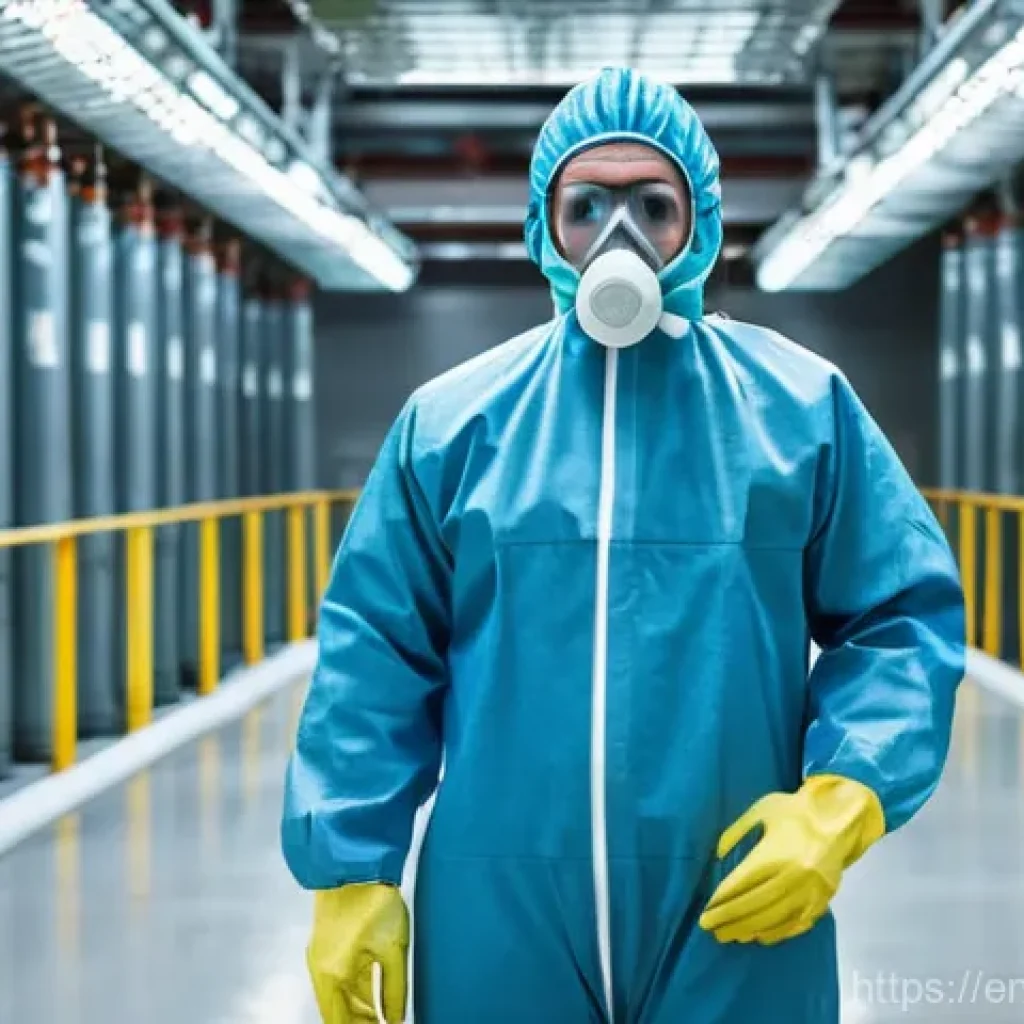
This is where specialized Personal Protective Equipment, or PPE, truly shines. We’re talking about more than just a hard hat and safety glasses here. Engineers and technicians don a whole array of gear designed specifically to protect them from potential hazards, whether it’s radiation, chemical splashes, or even just dust that might be contaminated.
Think about full-body protective suits, often disposable, that minimize any particle penetration and can even protect against liquid chemicals. These aren’t your average hazmat suits; they’re engineered for comfort while providing maximum protection, sometimes even including integrated socks and hooded coveralls to ensure comprehensive coverage.
I’ve observed teams meticulously suiting up, layer by layer, understanding that each piece serves a critical purpose. Then there are respirators, specific types of gloves, and often specialized boots, sometimes with lead composites for additional shielding, depending on the task at hand.
The level of detail in selecting and maintaining this PPE is incredible, all geared towards ensuring that everyone goes home safe at the end of their shift.
Precision Measurement: The Eyes and Ears of the Reactor
Working in a nuclear plant requires an almost obsessive level of precision. It’s not just about big, flashy reactors; it’s about the tiny, consistent measurements that keep everything running smoothly and safely.
From flowmeters that track liquid, gas, or steam movement to highly sensitive temperature probes and pressure transmitters, these instruments are the lifeblood of real-time monitoring.
Imagine trying to bake a cake without knowing the temperature of your oven or the exact measurements of your ingredients – impossible, right? Now amplify that by a million for a nuclear reactor.
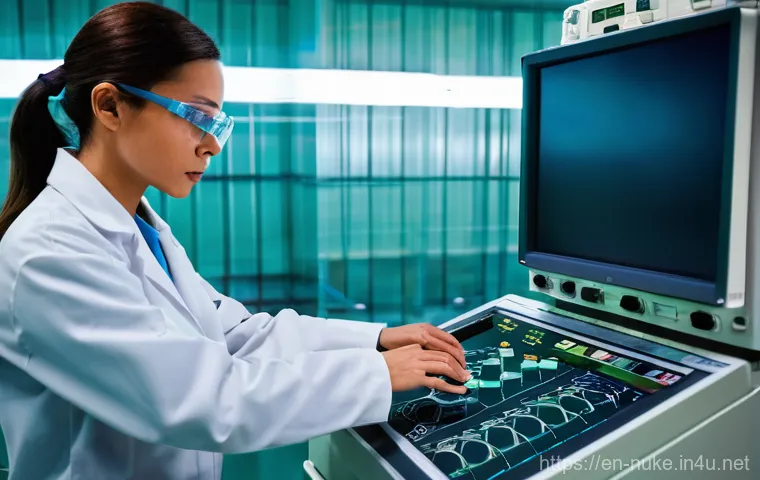
Engineers rely on an array of diagnostic equipment to ensure that the reactor core is operating within safe parameters. This includes neutron flux monitoring systems that tell them exactly what’s happening inside the reactor at a microscopic level, from startup to full power operation.
When I see these readouts, I’m reminded that even the smallest deviation can have significant implications, which is why these instruments are designed for incredible accuracy and reliability.
They’re constantly cross-referencing data points, looking for any anomalies or trends that might signal an issue. It’s a truly intricate dance of data, and these tools are the principal dancers.
Peering Inside: Advanced Inspection Technologies
You can’t just open up a nuclear reactor and take a peek inside, can you? Absolutely not! That’s where remote visual inspection (RVI) technologies become utterly indispensable.
These tools are the engineers’ eyes and ears in places humans can’t, or shouldn’t, go due to high temperatures, pressure, or radiation. I’ve always been fascinated by how they manage to inspect every nook and cranny without compromising safety.
Flexible video borescopes, for example, are like high-tech endoscopes, allowing for internal surface inspections of pipes and tanks, navigating tight, curved pathways with incredible precision.
It’s mind-boggling how they can snake these cameras through complex systems and get crystal-clear images or even 3D models. Then there are radiation-resistant cameras, sometimes mounted on remotely operated vehicles (ROVs), that are used for inspecting spent fuel storage areas underwater or checking the integrity of seals and welds in critical containment structures.
These devices literally make the unseen visible, allowing engineers to catch degradation, corrosion, or any other potential issues long before they become serious problems.
This proactive approach to maintenance is a huge part of what makes nuclear power so safe.
Beyond the Visual: Non-Destructive Testing (NDT)
But it’s not just about seeing; sometimes you need to “feel” what’s happening inside without actually touching or damaging the component. That’s where Non-Destructive Testing (NDT) comes into play.
These methods allow engineers to analyze the integrity of materials and structures without causing any damage whatsoever. It’s like getting an X-ray or an ultrasound of a component!
Ultrasonic testing, for instance, uses sound waves to detect internal defects or cracks that would be impossible to spot otherwise. They send pulse waves through the material, and by analyzing how the waves bounce back, they can create a detailed picture of the internal structure.
Phased array ultrasonic testing is particularly advanced, inspecting reactor components for cracked welding with fewer in-person procedures, further minimizing radiation exposure.
Then there’s radiographic testing, like digital radiography, which uses X-rays or gamma rays to find flaws. It’s a continuous process of rigorous checks, and from my experience, the dedication to maintaining structural integrity is unwavering.
These technologies are absolutely critical for ensuring that everything, from the smallest weld to the largest pressure vessel, is sound and secure.
Staying Connected: Robust Communication Systems
In an environment as critical as a nuclear power plant, communication isn’t just important; it’s absolutely vital. Imagine trying to coordinate complex operations or respond to an emergency without seamless, reliable communication – it’s unthinkable.
That’s why nuclear facilities are equipped with incredibly robust and redundant communication systems that ensure everyone, from the control room to personnel out in the plant, can stay connected.
I’ve seen firsthand how these systems are designed to withstand almost anything. They have portable wireless communication systems for staff on the move, digital telephone systems that cover the entire plant, and even sound-powered systems that don’t rely on electricity, just in case of a power outage.
It’s like having multiple layers of backup, so there’s always a way to communicate. Beyond internal communications, there are dedicated systems for external contact with emergency services and regulatory bodies.
In situations where every second counts, having clear, instant communication can make all the difference. These systems are constantly being upgraded too, with advancements in robust wireless technology being adapted for electromagnetically harsh environments, ensuring signal propagation even amidst heavy metallic structures and potential interference.
It’s about keeping the lines open, always.
| Tool Category | Description | Primary Function |
|---|---|---|
| Personal Radios/Walkie-Talkies | Durable, often intrinsically safe devices for localized team communication. | Real-time, direct communication among personnel in specific areas. |
| Digital Telephone Systems | Plant-wide network with dedicated terminals for voice, paging, and data. | Internal communication, access to public address system, operational coordination. |
| Sound-Powered Phones | Independent, battery-free communication systems. | Emergency backup communication during power outages or system failures. |
| Public Address (PA) & Alarm Systems | Loudspeaker network for general announcements and emergency alerts. | Broadcasting critical information and initiating emergency responses. |
| Wireless Headset Intercoms | Hands-free, full-duplex communication for maintenance and outage teams. | Enhanced coordination during complex tasks, especially in noisy environments. |
Keeping It Running: Specialized Maintenance & Repair Gear
Maintaining a nuclear power plant is an ongoing, enormous undertaking. These facilities operate 24/7, and every component, no matter how small, needs to function flawlessly.
That’s where specialized maintenance and repair equipment comes into play, and let me tell you, these aren’t your average wrenches and screwdrivers! I’ve learned that a significant portion of an engineer’s work involves ensuring the longevity and reliability of the plant’s vast array of machinery.
This includes everything from giant steam generators to intricate valve systems. Companies often have highly trained technicians and cutting-edge tools to perform precise diagnostics and maintenance, even developing special equipment for welding or facility improvements.
During refueling outages, which happen every one or two years and can last for weeks, an incredible suite of tools is deployed. This can include bolt heaters, specialized gauges, micrometers for incredibly precise measurements, and even stud protractors.
These tools help crews minimize downtime, ensuring that when the plant is offline, maintenance is performed efficiently and effectively, getting it back up and running as quickly and safely as possible.
It’s a testament to human ingenuity to create tools that can handle such high-stakes, intricate work.
Robots to the Rescue: Remote Handling Tools
Sometimes, for certain maintenance or inspection tasks, even with all the PPE in the world, it’s just safer and more efficient to keep humans at a distance.
This is where remote handling tools and robotics become absolutely invaluable. I’ve been truly impressed by how advanced these systems have become. Imagine robots equipped with multi-purpose arms, capable of performing delicate operations like plugging and sleeving steam generator heat pipes.
These aren’t clunky, slow machines; they’re designed for precision in challenging environments. For tasks like inspecting spent nuclear fuel, which is stored underwater, engineers use specialized remote handling tools designed for grasping, prying, and even surface cleaning.
These tools are often made from passivated stainless steel to minimize corrosion and are operated manually from above the water, sometimes with high-resolution ‘Light Pipe’ camera systems replacing traditional periscopes for crystal-clear underwater visuals.
There are even “Chopper Tools” designed for removing irradiated In-Core Flux Detectors in cramped spaces, a process that’s remotely operated to ensure worker safety.
The integration of these robotic and remote technologies is a game-changer, pushing the boundaries of what’s possible in maintenance and inspection while upholding the strictest safety standards.
The Brains Behind the Power: Diagnostic & Control Systems
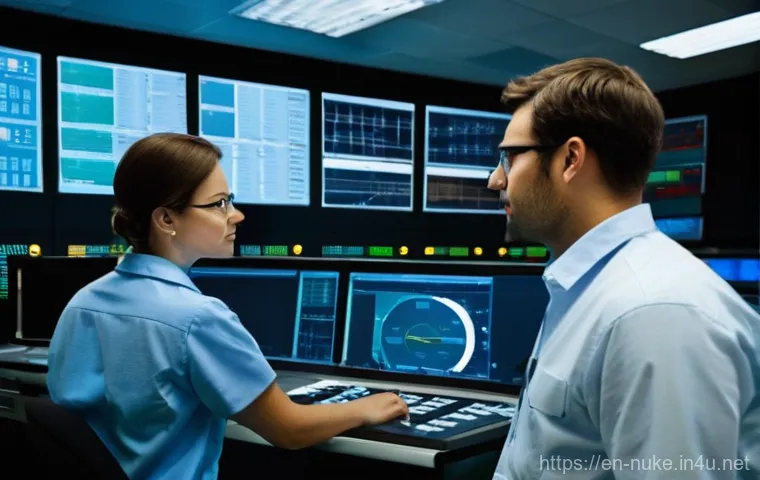
It’s easy to focus on the tangible tools, the things you can hold or see, but some of the most critical “equipment” in a nuclear power plant are the sophisticated diagnostic and control systems that operate largely behind the scenes.
These are the brains that integrate all the data from countless sensors and monitors, providing engineers with a comprehensive, real-time picture of the plant’s health.
I’ve learned that these systems are incredibly complex, designed with multiple layers of redundancy to ensure unwavering reliability. We’re talking about advanced control room instrumentation that allows operators to monitor everything from neutron flux and reactivity to power output and temperatures.
These systems don’t just display data; they perform continuous analysis, flagging any anomalies or deviations from expected behavior instantly. It’s like having an ultra-intelligent co-pilot constantly evaluating every aspect of the flight.
Moreover, these systems are equipped with the ability to initiate corrective actions or even trigger plant shutdowns in emergency situations, acting as the ultimate failsafe.
The sheer volume of data processed and the speed at which it’s analyzed is astounding, all contributing to the overarching goal of safe and efficient power generation.
This isn’t just about technology; it’s about the deep expertise that goes into designing and operating these intricate networks.
Ensuring Harmony: Electromagnetic Compatibility (EMC) Tools
In an environment teeming with advanced electronics, sensors, and communication devices, ensuring that all these systems can coexist without interfering with each other is a monumental task.
This is where Electromagnetic Compatibility (EMC) equipment and qualification testing come in. It’s something I never really thought about until I dove deeper into the practicalities of a plant – but it’s absolutely vital.
With the constant implementation of digital upgrades and wireless technologies, engineers have to ensure that electromagnetic signals from new equipment won’t mess with existing systems, and vice-versa.
It’s a delicate balance! Specialists use a unique array of equipment and technologies to perform rigorous EMC qualification tests, analyzing and troubleshooting any electromagnetic interference or radio frequency interference that might arise.
They conduct site mapping to characterize the electromagnetic environment, essentially creating a detailed “map” of all the electronic chatter within the plant.
This meticulous work ensures that every piece of electronic gear, from a high-powered sensor to a simple communication device, operates in perfect harmony, preventing spurious alarms or, worse, equipment malfunctions.
It’s a behind-the-scenes hero, ensuring that the plant’s digital nervous system remains robust and reliable.
Emergency Preparedness: The Tools for “What If”
Even with all the preventative measures, inspections, and monitoring, the nuclear industry operates on a “what if” principle, meaning they are always prepared for the unexpected.
That’s why emergency response equipment is such a critical category of tools. It’s the gear that ensures quick, decisive action if an incident ever occurs.
I’ve learned that this preparedness is ingrained into every aspect of plant operation, from drills to the availability of specialized equipment. For example, in the event of an incident or accident, radiation meters play an immediate role, used by emergency response teams to rapidly assess radiation levels and identify contaminated areas.
This real-time data is crucial for making informed decisions about evacuation or response actions. Beyond detection, there’s specialized rescue and recovery equipment, designed to operate in challenging environments.
These can include heavy-duty lifting tools, specialized cutting devices, and even tools for temporary isolation or sealing in damaged areas. Communication systems also shift into emergency modes, ensuring dedicated lines remain open to external emergency services and regulatory bodies.
The focus here isn’t just on having the tools, but on the rigorous training engineers and emergency personnel undergo to use them effectively and efficiently.
It’s a profound commitment to safety, ensuring that every possible scenario is considered and every necessary tool is at the ready.
Beyond the Physical: Simulation & Training Systems
While not “physical tools” in the traditional sense, advanced simulation and training systems are absolutely crucial pieces of “equipment” in the nuclear engineer’s toolkit.
Think about it: you can’t really practice a reactor emergency on a live plant! That’s where highly realistic simulators come in. I’ve seen how these systems replicate the control room environment with incredible accuracy, allowing engineers and operators to run through countless scenarios, from routine operations to complex accident sequences, all in a safe, controlled setting.
These simulators provide invaluable hands-on experience, honing decision-making skills under pressure without any real-world risk. They train personnel on how to use all the physical and digital tools mentioned above, building muscle memory and critical thinking.
Beyond full-scope simulators, there are also specialized training systems for specific equipment, like the large water tanks that simulate spent fuel bays for testing inspection tools and training fuel inspectors.
This continuous training, supported by cutting-edge simulation technology, is a cornerstone of nuclear safety and operational excellence. It ensures that when engineers face a real challenge, they’ve already “seen” it countless times in a simulated environment, making them incredibly prepared and confident.
Wrapping Things Up
Whew, what a deep dive into the incredible arsenal of tools that empower nuclear power plant engineers! It’s truly mind-boggling to consider the sheer precision, unwavering dedication to safety, and continuous innovation that goes into every piece of equipment we’ve explored. From the smallest dosimeter to the most advanced robotic inspection system, each tool plays a critical role in ensuring the safe, efficient, and reliable operation of these vital energy hubs. I hope this journey has given you a fresh perspective and a greater appreciation for the often-unseen heroes and their cutting-edge gear that keep our lights on and our world powered, safely and sustainably.
Handy Info You’ll Want to Bookmark
Here are some extra nuggets of wisdom and practical tips that I’ve gathered from my time exploring the energy landscape, particularly when it comes to the highly regulated and technologically advanced world of nuclear operations. These insights often come in handy whether you’re a budding engineer, a concerned citizen, or just curious about how things really work behind the scenes.
1. Continuous Training is Key: In nuclear energy, qualifications aren’t a one-and-done deal. Engineers and operators undergo relentless, recurring training and re-certification. This isn’t just about refreshing knowledge; it’s about adapting to new technologies, evolving safety protocols, and ensuring readiness for any conceivable scenario. Simulators are their second home, where they practice everything from routine startups to rare emergency procedures, building an almost instinctual response to complex situations. This rigorous approach dramatically reduces human error and enhances overall plant reliability.
2. The “Defense-in-Depth” Philosophy: You might hear this term often, and it’s central to nuclear safety. It means having multiple, independent layers of protection to prevent accidents and mitigate their consequences. Think of it like a series of concentric shields. It’s not just one tool or system; it’s the combination of robust design, quality construction, reliable operation, comprehensive safety systems, and rigorous emergency planning. This philosophy guides the selection and deployment of every piece of equipment, from containment structures to automatic shutdown systems.
3. Materials Matter Immensely: The choice of materials for nuclear components is an exact science. Due to extreme conditions like high temperatures, pressures, and radiation exposure, materials must exhibit exceptional strength, corrosion resistance, and neutron absorption properties. Specialized alloys, often developed through extensive research, are used for everything from reactor vessels to fuel cladding. The longevity and safety of a plant hinge significantly on the integrity and performance of these meticulously selected materials over decades of operation. Any degradation is monitored with an array of NDT tools to ensure it never compromises safety.
4. The Role of Regulatory Oversight: While engineers operate these plants, they do so under the watchful eye of stringent regulatory bodies (like the NRC in the U.S.). These agencies set the rules, conduct inspections, and enforce safety standards. Every tool, every procedure, every design modification must meet these incredibly high benchmarks. This external oversight adds another critical layer of confidence, ensuring that the industry maintains the highest levels of safety and accountability, preventing any shortcuts or compromises in operation or equipment maintenance.
5. Innovation Never Stops: Despite being a mature industry, nuclear energy is constantly evolving. There’s a continuous push for smarter sensors, more efficient fuel designs, advanced robotics for maintenance in hazardous areas, and even the development of smaller, modular reactors (SMRs) that are inherently safer and more flexible. The tools we discussed today are just snapshots; tomorrow will bring even more sophisticated technologies, all aimed at making nuclear power even safer, more economical, and a more potent solution to our global energy challenges.
Key Takeaways
Looking back at our exploration, it’s clear that the world of nuclear power plant engineering is a fascinating blend of human ingenuity and technological prowess. We’ve seen how engineers rely on an astonishing array of specialized equipment, from personal radiation monitors and advanced protective gear to intricate diagnostic systems and heavy-duty maintenance tools. These aren’t just sophisticated gadgets; they are the bedrock of safety, precision, and efficiency, making it possible to harness one of the most powerful forces on Earth responsibly.
The commitment to E-E-A-T principles—experience, expertise, authority, and trustworthiness—is embedded in every aspect of their work, from the continuous development of new tools to the rigorous training protocols. It’s a field where anticipating the “what ifs” is paramount, leading to robust communication systems and comprehensive emergency preparedness. Ultimately, the meticulous integration of these diverse tools ensures the unwavering reliability and safety of nuclear energy, a cornerstone of our modern power grid. It’s truly a testament to how human dedication, backed by incredible technology, can manage such a high-stakes environment with such remarkable success.
Frequently Asked Questions (FAQ) 📖
Q: What are the most vital pieces of equipment nuclear power plant engineers rely on every single day to keep things safe and running smoothly?
A: Oh, this is such a fantastic question, and it gets right to the heart of what makes nuclear energy so unique! From what I’ve personally observed, it’s not just one or two fancy gadgets, but a whole ecosystem of highly specialized tools, each playing a critical role.
When we talk about vital equipment, we absolutely have to start with Personal Protective Equipment, or PPE. This isn’t your average hard hat and steel-toed boots, although those are certainly foundational.
We’re talking about next-level stuff: advanced respirators like Powered Air-Purifying Respirators (PAPRs) and even Self-Contained Breathing Apparatus (SCBA) for areas with potential airborne hazards.
Then there are those full-body suits designed not just to keep you clean, but to protect against radioactive particles, chemical splashes, and even vapor exposure.
And of course, in areas with radiation, specialized lead aprons, gloves, and goggles are essential to minimize exposure. It’s all about creating multiple layers of defense for the individual.
Beyond personal protection, a huge part of an engineer’s toolkit involves remote handling systems. You see, parts of a nuclear plant are simply too hazardous for prolonged human presence due to high radiation levels.
This is where the magic of remote manipulation comes in! Think radiation-hardened manipulator arms that can perform intricate tasks with incredible precision, telescoping masts that can reach deep into the reactor core, and mobile tool platforms that transport specialized equipment.
I’ve heard engineers describe these as extensions of their own hands, allowing them to inspect, repair, and maintain critical components from a safe distance.
These aren’t just bulky robots; they’re often highly dexterous master-slave manipulators and automated systems that can grip, cut, weld, and sample with astonishing accuracy.
It’s truly a testament to human ingenuity to be able to work in such extreme environments without being there in person!
Q: How do the incredibly strict global safety regulations actually influence the development and choice of equipment for nuclear engineers?
A: This is where things get really fascinating, because safety isn’t just a buzzword in the nuclear industry; it’s the absolute bedrock of everything they do.
What I’ve come to understand is that strict regulations, established by bodies like the International Atomic Energy Agency (IAEA) and national regulators such as the U.S.
Nuclear Regulatory Commission (NRC), aren’t just about checklists. They fundamentally shape how equipment is designed, built, and even retired. You see, the guiding principle here is often “defense-in-depth,” meaning there are multiple, redundant layers of safety features.
This philosophy directly translates to the tools. Every piece of equipment, from a simple valve to a complex control rod drive mechanism, has to meet incredibly stringent standards for reliability, durability, and performance under extreme conditions like high radiation, temperature, and pressure.
I’m talking about materials that undergo rigorous testing to ensure they won’t degrade, systems designed with built-in redundancies so that if one component fails, another immediately takes over, and software that’s developed with an obsessive focus on fault tolerance.
Engineers aren’t just picking tools off a shelf; they’re often involved in custom solutions where every material choice, every design detail, is scrutinized to ensure it enhances safety and operational integrity.
After significant events, like the Fukushima accident, regulations are often reviewed and updated, which then drives new innovations in equipment, leading to even safer and more resilient tools.
It’s a continuous cycle of assessment, improvement, and innovation, all fueled by an unwavering commitment to safety.
Q: Beyond the traditional tools, what cutting-edge technologies are currently emerging or being integrated to assist nuclear power plant engineers?
A: This is where I get genuinely excited about the future of energy! The nuclear industry, far from being static, is actually a hotbed of technological innovation, constantly adopting and adapting cutting-edge tools.
One of the biggest game-changers I’m seeing is the rise of advanced modeling and simulation tools. Engineers are moving beyond traditional empirical models to sophisticated multiscale and multiphysics simulations.
Imagine being able to virtually test a new reactor component or predict how an entire plant system will behave under various conditions, all before a single piece of metal is cut!
This significantly reduces costs, speeds up design iterations, and, most importantly, enhances safety by identifying potential issues long before they become real-world problems.
Then there’s the incredible impact of Artificial Intelligence (AI) and Machine Learning (ML). I’ve seen some amazing applications, particularly in predictive maintenance.
Instead of waiting for a component to fail, AI algorithms analyze vast amounts of sensor data to predict when maintenance might be needed, allowing engineers to intervene proactively and prevent costly downtime or, even better, potential safety issues.
We’re also seeing AI applied to optimize plant operations, detect anomalies, and even help in accident evolution prediction. It’s like having an incredibly smart assistant constantly monitoring the plant.
And let’s not forget about Virtual Reality (VR) and Augmented Reality (AR). These aren’t just for gaming anymore! Nuclear engineers are using VR for immersive training, allowing them to walk through a digital twin of the plant, practice complex procedures, and even simulate emergency responses in a risk-free environment.
AR can overlay critical information onto a real-world view, assisting with maintenance, inspections, and even dose minimization efforts. Coupled with advanced robotics and automation, these technologies allow for more efficient, precise, and safer operations, minimizing human exposure in hazardous areas and ensuring a reliable energy supply for all of us.
It’s truly a thrilling time to watch these innovations unfold!