Hey everyone! As someone who’s always been absolutely fascinated by how our world powers itself, I’ve spent countless hours diving deep into the incredible engineering marvels that are nuclear power plants.
You might hear a lot of buzz about renewables these days, but trust me, the silent giants of nuclear energy are still playing an indispensable role in securing our future and fighting climate change.
We often think of them as these massive, complex structures, and they are, but their core lies in some truly ingenious design principles—principles constantly evolving with new tech like Small Modular Reactors (SMRs) and even more robust safety features that address global energy demands and environmental concerns head-on.
It’s not just about splitting atoms; it’s about meticulous planning, cutting-edge innovation, and an unwavering commitment to safety that makes them a cornerstone of stable power grids worldwide.
If you’ve ever wondered what goes into making these powerhouses both incredibly efficient and extraordinarily safe, you’re in for a treat. The public perception of nuclear power’s safety has improved significantly over the decades, even with past incidents, showing a growing understanding of its benefits for grid stability and decarbonization.
With advancements like Generation IV reactors and digital automation becoming more prevalent, the nuclear industry is truly experiencing a renaissance, offering exciting solutions for reliable, low-carbon electricity that can integrate seamlessly with other energy sources.
Let’s peel back the layers and truly understand the fascinating world of nuclear power plant design principles and essential guidelines in today’s post.
Designing for Unwavering Safety: The Core Philosophy
Embracing Defense-in-Depth
I’ve always been struck by the sheer brilliance behind the “defense-in-depth” philosophy that underpins every single nuclear power plant. It’s not just a buzzword; it’s a meticulously layered approach to safety that really puts my mind at ease when I think about these powerful facilities.
Imagine multiple, independent barriers, each designed to prevent accidents or mitigate their consequences. It starts right from the very beginning, with conservative design choices, high-quality manufacturing, and rigorous operational procedures.
Then, it moves into robust passive safety systems that kick in automatically, relying on natural laws like gravity or convection rather than active components that could fail.
What really impresses me is that even if one layer were to somehow falter, there are several others waiting in the wings to ensure everything stays secure.
This isn’t just about preventing a major incident; it’s about minimizing the impact of even minor operational upsets. I’ve read so many technical documents that break down these layers, and honestly, the dedication to safeguarding both the environment and the public is paramount.
This multi-tiered system ensures that safety isn’t an afterthought, but the absolute foundation upon which the entire structure is built, giving us all peace of mind.
The Ultimate Barrier: Containment Structures
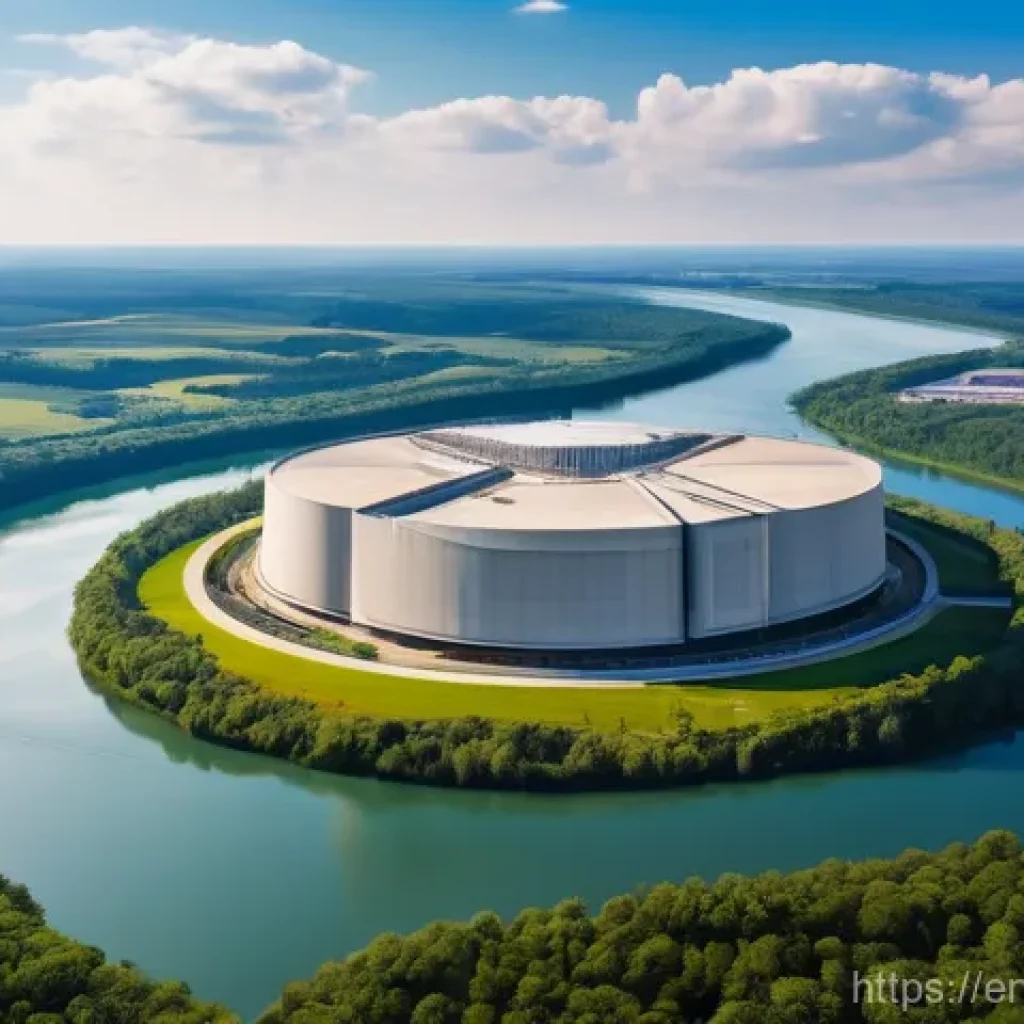
When you picture a nuclear power plant, you probably envision those massive, domed structures – those are the containment buildings, and they are, in my opinion, one of the most incredible feats of engineering.
These aren’t just big concrete shells; they are incredibly strong, pressure-retaining structures designed to be the ultimate physical barrier against the release of radioactive materials into the environment, even in the most improbable accident scenarios.
I remember learning about how they’re typically made of thick, reinforced concrete and steel, engineered to withstand extreme internal pressures and external impacts.
It’s truly a testament to “expect the unexpected” thinking. For me, knowing that there’s this robust, virtually impenetrable fortress around the reactor core is incredibly reassuring.
It’s that final, impenetrable wall that stands between the reactor and the outside world, designed to keep everything safely sealed away. This commitment to having such a formidable last line of defense shows just how seriously the industry takes public and environmental protection.
Innovating for Efficiency: The Reactor Core’s Evolution
From Traditional Light Water to Advanced Designs
My journey into understanding nuclear energy really took off when I started looking into the evolution of reactor core designs. We’re most familiar with the Light Water Reactors (LWRs) – they’ve been the workhorses of the industry for decades, and for good reason!
Their design is well-understood, incredibly reliable, and has provided immense amounts of clean energy. But what really gets me excited are the advancements we’re seeing.
Think Generation IV reactors, for example. These aren’t just minor tweaks; they represent a fundamental shift towards enhanced safety, better waste management, and even more efficient fuel utilization.
I’ve followed the research on designs like the molten salt reactors or gas-cooled fast reactors, and the potential they hold for truly sustainable energy production is mind-boggling.
They promise to push the boundaries of what’s possible, offering safer operations, longer fuel cycles, and even the ability to consume existing nuclear waste as fuel.
It’s like watching a technology mature and become even more elegant and effective over time.
The Game Changer: Small Modular Reactors (SMRs)
Honestly, if there’s one area in nuclear power that I believe is truly poised to revolutionize the energy landscape, it’s Small Modular Reactors, or SMRs.
The concept itself is genius: instead of massive, custom-built plants, imagine factory-produced, smaller, standardized units that can be assembled on-site.
The implications for deployment speed, cost-effectiveness, and flexibility are huge! I’ve been tracking their development closely, and what really stands out is their inherent safety features; many SMR designs incorporate passive safety systems that don’t require active intervention or external power in an emergency.
This modularity also means they can be deployed in remote areas or scaled up incrementally to meet growing energy demands without the huge upfront capital investment of a traditional large plant.
For communities looking for reliable, clean power without the footprint of a colossal facility, SMRs are a dream come true. It’s a pragmatic, forward-thinking approach that makes nuclear power more accessible and adaptable than ever before.
The Human Element: Control Room Excellence and Automation
Designing for Human Reliability
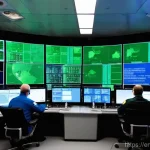
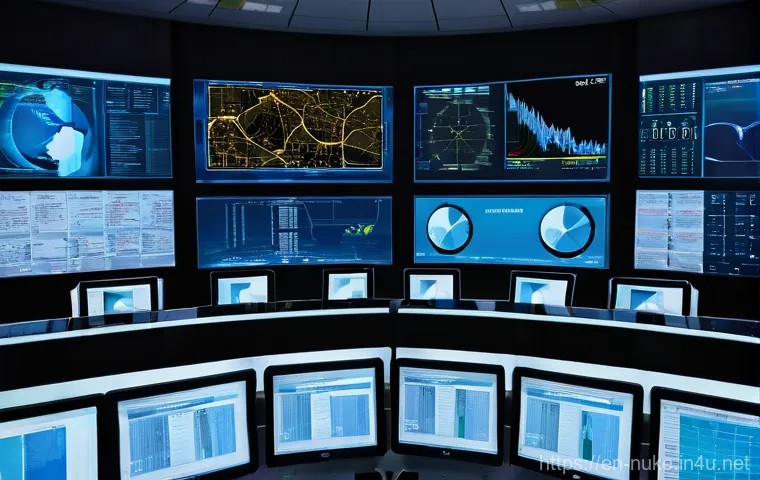
When I picture the control room of a nuclear power plant, I imagine a hub of intense focus and precision. What I’ve learned is that designing these spaces isn’t just about ergonomics; it’s about optimizing for human reliability.
Every dial, every screen, every switch is meticulously placed and designed to reduce the chance of human error. It’s a fascinating blend of psychology and engineering.
I’ve seen examples where even the colors used on displays, the auditory alarms, and the layout of information are chosen to ensure operators can quickly and accurately assess the plant’s status, especially during critical moments.
This focus on human factors goes beyond the control room itself, extending to training programs that simulate every conceivable scenario, ensuring operators are not just knowledgeable, but truly experienced and prepared for anything.
It’s a constant evolution, adapting to new technologies and learning from past experiences to make these critical human-machine interfaces as flawless as possible.
The Ascendancy of Digital Control Systems
Speaking of control rooms, the shift towards advanced digital control systems is another area that truly excites me. While analog systems have served us well, digital systems offer a level of precision, integration, and diagnostic capability that was simply unimaginable a few decades ago.
I’ve heard experts talk about how these digital systems can process vast amounts of data in real-time, providing operators with clearer, more comprehensive information about the plant’s operational status.
This isn’t just about fancy screens; it’s about predictive maintenance, faster response times, and an even greater margin of safety. They can identify potential issues before they become problems, allowing for proactive adjustments.
Of course, this transition comes with its own set of challenges, particularly in cybersecurity, but the industry is investing heavily in robust protections.
For me, it represents a leap forward, bringing nuclear power plants into the digital age with enhanced reliability and operational intelligence.
Stewarding Our Planet: Waste Management and Environmental Impact
Tackling Spent Fuel Challenges
Let’s be honest, when people bring up nuclear power, one of the first things that comes up is nuclear waste. And it’s a valid concern! What I’ve found, though, is that the industry is incredibly diligent about managing spent nuclear fuel, and the perception sometimes outweighs the reality of its safe handling.
Spent fuel isn’t just tossed aside; it undergoes a meticulous process, first stored securely on-site in robust, specially designed pools or dry casks.
These are engineered to contain radioactivity and dissipate heat for decades. Beyond that, research and development into long-term solutions, such as geological repositories, are constantly ongoing, and nations around the world are making significant progress in establishing permanent disposal sites.
What often gets overlooked is the small volume of high-level waste produced compared to other energy sources, and the fact that it’s contained and monitored, unlike, say, greenhouse gases released directly into the atmosphere.
It’s a challenge, yes, but one that is being addressed with cutting-edge science and unwavering commitment to safety.
Minimizing Environmental Footprint
Another aspect of nuclear power that I believe deserves more recognition is its incredibly small environmental footprint during operation. Think about it: once a plant is up and running, it produces zero greenhouse gas emissions.
That’s huge for our climate goals! I often compare it to other energy sources, and the difference is stark. Nuclear power plants don’t emit harmful pollutants into the air or water like fossil fuel plants do.
Even the land use is surprisingly efficient; a nuclear plant generates massive amounts of power from a relatively small area compared to, say, solar farms or wind farms needing vast expanses.
My own research has shown that the impact on local ecosystems is rigorously studied and minimized throughout the plant’s lifecycle, from construction to decommissioning.
The industry is constantly striving for even greater efficiencies, using less water and further reducing any potential ecological disturbances. It’s all about powering our world cleanly and responsibly, leaving minimal trace.
Building Bridges: Transparency and Public Engagement
Demystifying Nuclear Energy
For anyone like me who’s passionate about facts and understanding how things really work, one of the biggest hurdles for nuclear energy has always been its public perception.
There’s a lot of misunderstanding out there, often fueled by sensationalism rather than science. That’s why I truly believe in the power of demystifying nuclear energy.
It’s about open conversations, clear explanations, and providing access to information in an understandable way. I’ve personally spent hours breaking down complex concepts into digestible insights for friends and family, and I’ve seen how a little bit of clear information can really change someone’s perspective.
The industry is making strides in this area, actively engaging with communities, hosting public information sessions, and creating educational resources that explain everything from how a reactor works to the robust safety protocols in place.
It’s about building trust, one informed conversation at a time, showing that these aren’t mysterious, dangerous behemoths, but expertly engineered solutions for our energy needs.
Fostering Community Acceptance
Ultimately, the success of any major infrastructure project, especially something as significant as a nuclear power plant, hinges on community acceptance.
I’ve seen firsthand how vital it is for plant operators and developers to genuinely connect with the local populace. This isn’t just about legal requirements; it’s about becoming a good neighbor, understanding local concerns, and actively contributing to the community’s well-being.
This can range from creating local jobs and investing in infrastructure to supporting local charities and educational programs. When a community feels heard, respected, and sees tangible benefits, the perception shifts dramatically.
It’s about demonstrating a long-term commitment, not just to power generation, but to the people who live near these facilities. Transparency during construction, regular updates on operations, and swift, open communication during any unusual events are all crucial.
A positive relationship with the community is truly an invaluable asset, ensuring harmonious coexistence and mutual benefit for decades to come.
The Economics of Endurance: Ensuring Long-Term Viability
Operational Efficiency and Cost-Effectiveness
When we talk about the future of energy, we can’t ignore the economics, and nuclear power has a compelling story to tell regarding operational efficiency and cost-effectiveness over its long lifespan.
While the initial capital investment for a nuclear plant can be substantial, what often gets overlooked is its incredibly low operating costs for fuel and maintenance once it’s up and running.
I’ve heard many industry insiders emphasize that nuclear power plants have some of the highest capacity factors of any energy source, meaning they operate at full power for a greater percentage of the time than almost anything else.
This reliability translates directly into stable, predictable electricity prices for consumers. Moreover, the cost of the fuel, uranium, is a relatively small component of the overall generation cost and is available from diverse, stable sources, which adds to its energy security.
It’s not just about producing electricity; it’s about providing reliable, consistent, and competitively priced power for decades.
Investment in Next-Gen Technologies
What keeps me optimistic about the future of nuclear energy isn’t just its current performance, but the immense investment pouring into next-generation technologies.
This isn’t an industry resting on its laurels; it’s one that’s constantly innovating. We’re talking about advanced reactor designs like those Generation IV concepts I mentioned earlier, which promise even greater efficiencies, enhanced safety, and improved waste management.
Then there’s the ongoing research into fusion power, which, while still decades away, represents the ultimate clean energy dream. I’ve also seen significant advancements in areas like artificial intelligence and machine learning being applied to optimize plant operations, predict maintenance needs, and further enhance safety systems.
These investments aren’t just academic exercises; they are strategic moves designed to make nuclear power even more competitive, sustainable, and integral to our future energy mix.
It shows a clear commitment to continuous improvement and a vision for an even brighter, cleaner energy future.
| Aspect | Traditional Large Nuclear Plants | Small Modular Reactors (SMRs) |
|---|---|---|
| Construction Time | Longer (typically 8-12+ years) | Shorter (modular, factory-built components) |
| Capital Cost | Very High (Multi-billion USD) | Lower per unit, but scalable |
| Deployment Flexibility | Limited (large grid integration required) | High (can be deployed in remote areas, smaller grids) |
| Safety Features | Active and Passive Systems | Enhanced Passive Safety Features |
| Output Capacity | High (1000+ MWe) | Lower (50-300 MWe per module) |
| Waste Production | Concentrated, but small volume | Similar principles, potentially more efficient fuel use in some designs |
Wrapping Things Up
And there we have it, a journey through the fascinating world of nuclear energy! It’s been quite an exploration, hasn’t it? From the bedrock of safety philosophy to the cutting-edge innovations that are shaping its future, I hope you’ve seen why I find this field so incredibly compelling. It’s truly a testament to human ingenuity and our relentless pursuit of cleaner, more reliable power for everyone. Looking ahead, I feel genuinely excited about what nuclear energy can bring to the global stage.
Handy Information You’ll Appreciate
1. Did you know that nuclear power plants operate on incredibly long fuel cycles? Uranium fuel typically stays in the reactor for several years, providing continuous power without frequent refueling. This contributes significantly to their high capacity factors and consistent output, making them super reliable for baseline electricity generation.
2. Many modern reactor designs, especially Small Modular Reactors (SMRs), are built with “passive safety” systems. This means that in the event of an emergency, these systems rely on natural forces like gravity or convection to shut down the reactor and keep it safe, rather than requiring active intervention or power, which I find incredibly reassuring.
3. The amount of waste generated by nuclear power is surprisingly small compared to other energy sources. All the spent fuel ever produced by U.S. commercial nuclear reactors over the past 60+ years, if consolidated, would fit on a single football field, stacked about 24 feet high. It’s compact and carefully managed, unlike the vast emissions from fossil fuels.
4. Nuclear energy produces virtually zero greenhouse gas emissions during operation. This makes it a crucial player in the fight against climate change, offering a large-scale, consistent source of clean electricity that doesn’t contribute to air pollution or carbon footprint, which is something I deeply value for our planet’s future.
5. Beyond just electricity, nuclear technology has broader applications. From medical isotopes used in cancer treatment and diagnostic imaging to sterilizing medical equipment and preserving food, the underlying science contributes immensely to public health and safety in ways many people don’t even realize.
Key Takeaways
My exploration into nuclear energy has really reinforced a few critical points for me. First off, safety isn’t just a buzzword in this industry; it’s the absolute core principle, meticulously engineered into every layer from defense-in-depth strategies to robust containment structures, which genuinely puts my mind at ease about these powerful facilities. The continuous innovation, especially with exciting developments like Small Modular Reactors and advanced Generation IV designs, promises a future where nuclear power is even more efficient, sustainable, and accessible, capable of delivering immense amounts of clean energy with enhanced safety features. Moreover, the industry’s commitment to responsible waste management, minimal environmental footprint during operation, and growing transparency with communities truly underscores its potential as a reliable, clean, and long-term solution to our global energy needs. It’s a technology that’s constantly evolving, improving, and proving its worth in a world hungry for sustainable power.
Frequently Asked Questions (FAQ) 📖
Q: How do modern nuclear power plants ensure safety, especially with all the advanced technology you mentioned?
A: That’s a fantastic question, and honestly, it’s the first thing on most people’s minds when we talk about nuclear power! From what I’ve seen in my dives into this field, modern nuclear power plants are built with safety as the absolute top priority, using what’s called a “defense-in-depth” approach.
Imagine multiple, independent layers of protection, like an onion, designed to keep everything safe even if one layer fails. For instance, the fuel itself is a stable ceramic pellet that contains radioactive materials.
This is then encased in robust metal cladding, followed by a sturdy reactor vessel, and finally, a thick, reinforced concrete containment building designed to withstand extreme external events like earthquakes, hurricanes, or even aircraft impacts.
Beyond these physical barriers, we’re seeing incredible advancements in what are known as “passive safety systems.” These are pretty ingenious because they rely on natural forces like gravity or natural convection to cool the reactor and shut it down safely, without needing external power or human intervention.
So, even in the highly unlikely event of a power loss, these systems would automatically kick in. Plus, there’s constant, rigorous monitoring, frequent inspections by national and international regulatory bodies, and comprehensive emergency plans that are regularly tested and rehearsed.
It’s truly a testament to engineering dedication and an unwavering commitment to keeping us all safe.
Q: You talked about Small Modular Reactors (SMRs). What makes them such a game-changer for the future of nuclear energy?
A: Oh, SMRs are where things get really exciting for me! When I first learned about them, I immediately thought, “This is smart engineering!” These aren’t just smaller versions of traditional reactors; they’re fundamentally different in how they’re designed and deployed, bringing a whole new level of flexibility and efficiency.
The “modular” part is key here. Unlike massive, custom-built plants, SMRs are factory-assembled and can be transported as complete units or modules to a site.
This significantly reduces construction time and costs, which has always been a big hurdle for large nuclear projects. What I personally find really compelling is their enhanced safety features; many SMR designs incorporate those passive safety systems we just talked about, making them incredibly resilient and, dare I say, “walk-away safe” in some scenarios.
Their smaller footprint also means they can be sited in places where a traditional large plant simply wouldn’t fit, like replacing old fossil fuel plants or even powering remote communities and industrial sites.
They can even integrate seamlessly with renewable energy sources, providing that stable, always-on power when the sun isn’t shining or the wind isn’t blowing.
It’s a truly versatile solution for a clean, reliable energy future.
Q: With so much emphasis on solar and wind, why is nuclear power still considered an “indispensable” part of our energy future and climate change fight?
A: That’s a question I hear a lot, and it touches on the very core of why I’m so passionate about nuclear energy! While I absolutely adore renewables and their vital role, my experience tells me that relying solely on them for a stable grid can be challenging because, well, they’re intermittent – the sun doesn’t always shine, and the wind doesn’t always blow.
That’s where nuclear power truly shines as an “indispensable” piece of the puzzle. Nuclear plants provide consistent, 24/7, carbon-free “baseload” electricity, meaning they’re always on, keeping the grid stable and meeting demand regardless of weather conditions.
This steady supply complements renewables perfectly, preventing blackouts and ensuring we always have power. From a climate change perspective, nuclear energy is a powerhouse, already displacing billions of tons of CO2 emissions annually.
In fact, it’s one of the lowest-carbon energy sources out there, often even lower than solar when you look at the full lifecycle. The sheer energy density of uranium is mind-boggling – a tiny pellet can produce as much energy as nearly three barrels of oil!
So, for me, it’s not about choosing between renewables and nuclear; it’s about embracing both as essential allies in achieving a truly decarbonized and reliable energy future.